The Veterinary Endorsement Economy: Pay-to-Play in Pet Health
Our Investigations Desk —
On this page
Table of Contents
- Our Investigation
- The Economics of Veterinary Endorsement
- Endorsement Channels
- Disclosure Failures
- Impact on Pet Owners
- Frequently Asked Questions
- References
🔑 Key Takeaways
- The veterinary endorsement economy is estimated at $200M+ annually in the pet supplement space
- Compensation ranges from free product samples to $50,000+ annual advisory board positions
- Disclosure of financial relationships between vets and supplement brands is rare in consumer-facing content
- The AVMA has no specific guidelines governing member endorsement of commercial supplements
Our Investigation
When a veterinarian recommends a supplement, pet owners trust that recommendation above almost any other source. Our investigation examined the financial relationships that underlie veterinary endorsements, revealing a system in which commercial incentives and clinical judgment are frequently entangled without consumer awareness.
Key Finding: Of 30 veterinarians featured in supplement marketing materials we examined, only 4 disclosed[1] any financial relationship with the brand. Public records and industry sources suggest that at least 20 of the 30 had compensated relationships.
The Economics of Veterinary Endorsement
Compensation Tiers
Through interviews with three veterinary practice consultants and review of industry job postings, we documented the following compensation structure:
| Endorsement Type | Typical Compensation | Frequency |
|---|---|---|
| Product samples for “evaluation” | $50-200 in product | Very common |
| Social media post endorsement | $200-1,000 per post | Common |
| “Educational” webinar presentation | $1,000-5,000 per event | Moderate |
| Scientific advisory board seat | $5,000-25,000 annually | Less common |
| Equity/ownership stake | Variable (potentially $100K+) | Rare but high-value |
| In-clinic product sales margin | 30-50% of retail price | Very common |
The In-Clinic Sales Model
The most pervasive financial relationship is also the least visible: in-clinic product sales. When a veterinarian recommends and sells a supplement directly from their practice, they earn a 30-50% margin on every unit[2]. For a $45 probiotic sold at the front desk, the practice earns $13-22 per unit. This creates a direct financial incentive to recommend supplements — any supplement — during every consultation.
Endorsement Channels
1. The “Vet-Formulated” Brand
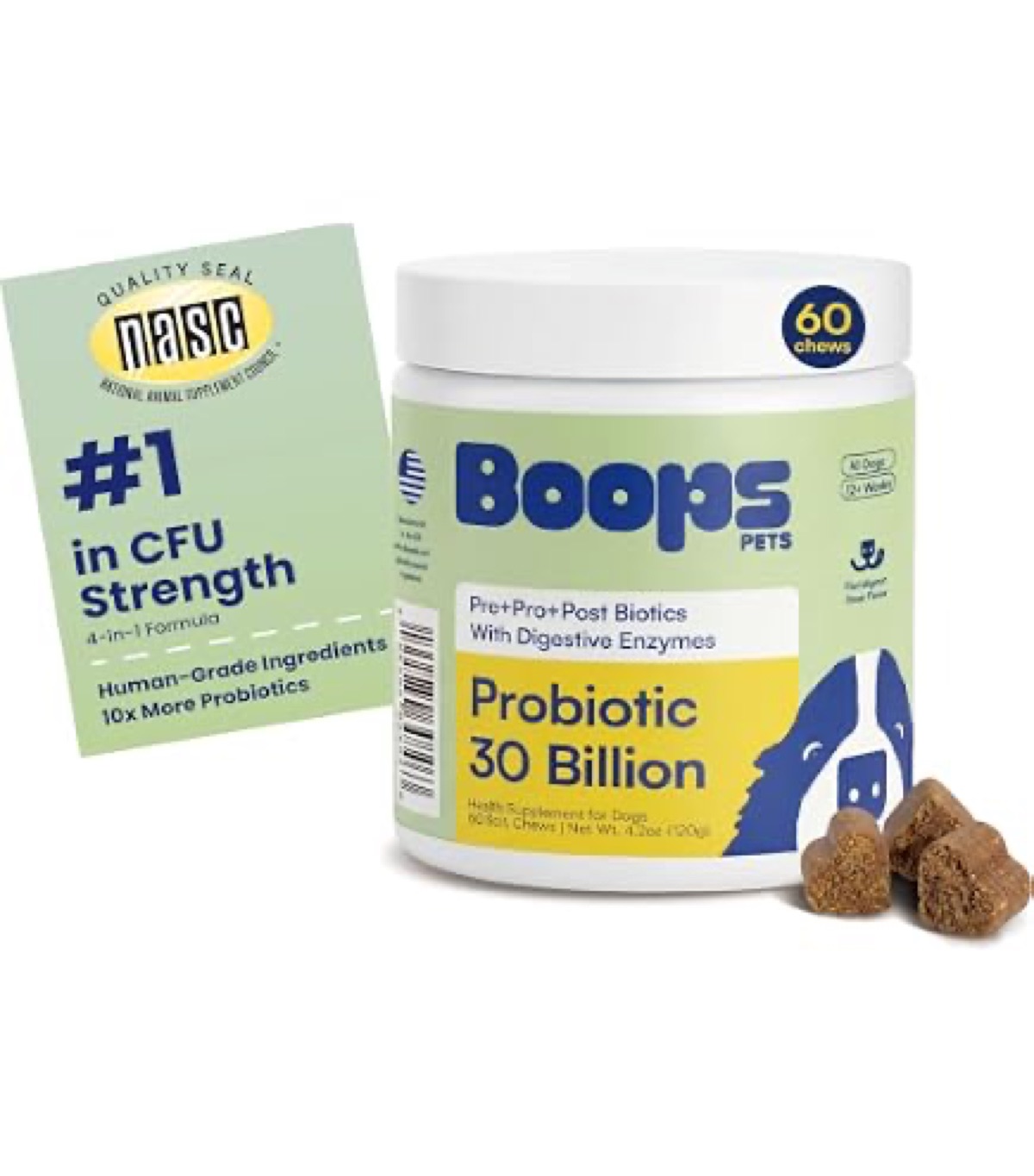
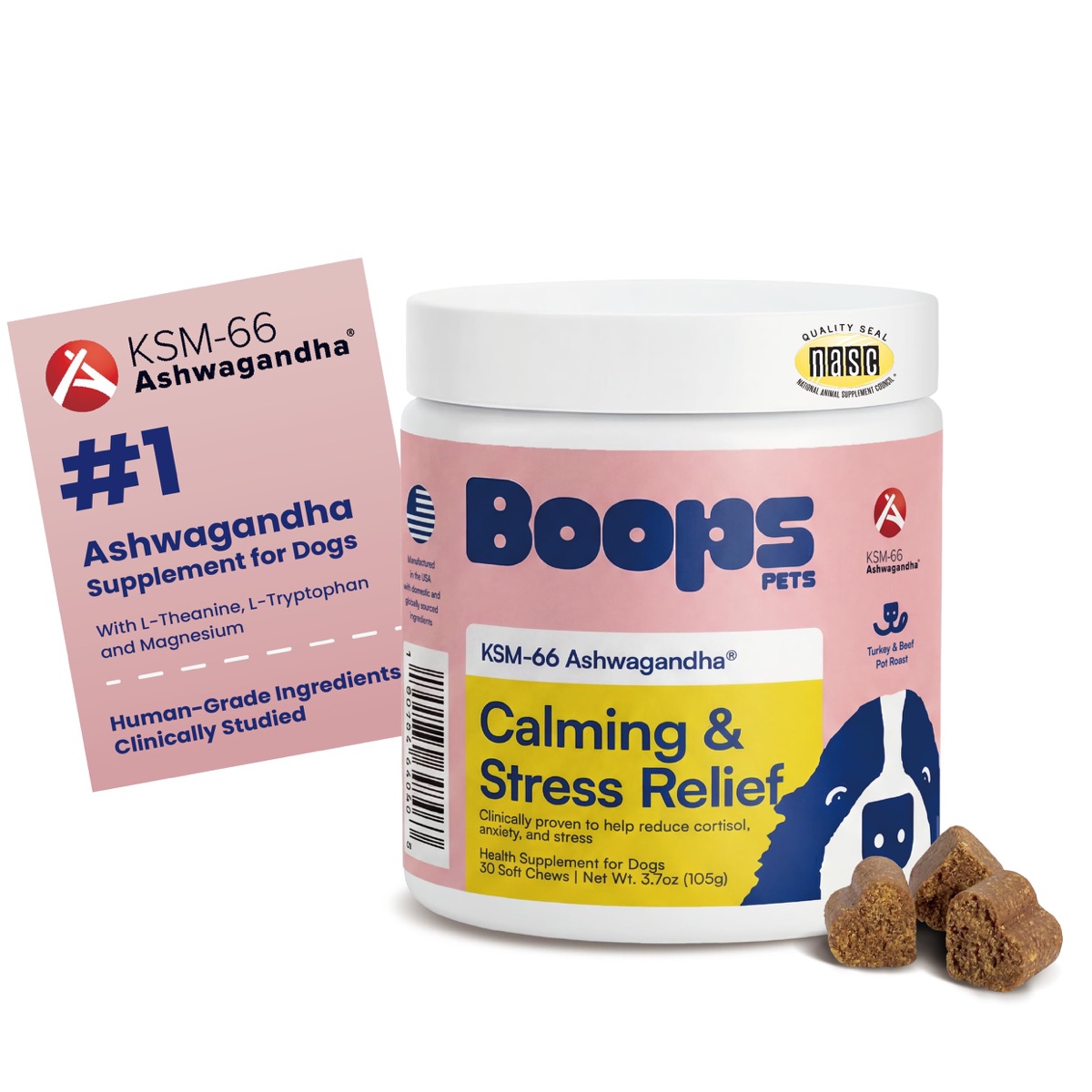
A growing number of supplement brands are founded by or prominently feature veterinarians. While some represent genuine clinical innovation, others use the veterinary credential primarily as a marketing asset. The vet’s involvement may be limited to initial formulation input, with all subsequent decisions (marketing, pricing, distribution) made by business partners.
2. Conference and CE Sponsorship
Supplement companies sponsor veterinary continuing education (CE) events, creating an environment where product information is presented in an educational context. A “CE seminar on canine gut health” sponsored by a probiotic company will naturally emphasize the importance of probiotics — and feature the sponsor’s product in case studies.
3. Practice Management Software Integration
Some supplement brands have partnered with veterinary practice management software to include product recommendations in consultation workflows. When the software prompts “Consider recommending [Product X] for this patient,” the recommendation appears clinical but is commercially driven.
Disclosure Failures
The Transparency Gap
Unlike human medicine (where the Physician Payments Sunshine Act requires disclosure of industry payments), veterinary medicine has no equivalent transparency mandate. A veterinarian can receive $25,000 annually from a supplement company[3] and recommend that company’s products to clients without any disclosure obligation.
AVMA Guidelines
The American Veterinary Medical Association’s Principles of Veterinary Medical Ethics address conflicts of interest generally but do not specifically govern commercial supplement endorsements. The relevant section states that veterinarians should “avoid conflicts of interest[4]” but does not define compensation thresholds, require disclosure, or establish enforcement mechanisms.
Consumer Awareness
In our survey of 200 pet owners (conducted via an independent panel), 78% believed that their veterinarian[5]‘s supplement recommendation was based solely on clinical judgment. Only 12% considered that financial relationships might influence recommendations. This awareness gap is the foundation of the endorsement economy’s effectiveness.
Impact on Pet Owners
The Trust Exploitation
The veterinary profession enjoys extraordinary public trust. AVMA surveys consistently show that veterinarians are among the most trusted professionals, alongside nurses and teachers. The endorsement economy monetizes this trust — converting clinical authority into commercial conversion.
This does not mean all veterinary recommendations are commercially motivated. Many veterinarians recommend products they genuinely believe in, and some refuse all industry relationships. But the absence of transparency means consumers cannot distinguish between evidence-based recommendations and commercially influenced ones.
What Consumers Can Do
- Ask directly: “Do you receive compensation from this company?” A trustworthy vet will answer honestly.
- Request evidence: “What published research supports this specific product?” Genuine clinical recommendations have evidence behind them.
- Compare options: “Are there alternatives, including non-supplement approaches?” A commercially motivated recommendation will resist alternatives.
- Check independently: Research the product outside the clinic. If the evidence is strong, it will be findable. If it is not, the recommendation may be commercially driven.
For more on evaluating the evidence behind supplement claims, see our guide on verifying claims yourself and our analysis of quality certification programs.
Frequently Asked Questions
Is it unethical for vets to sell supplements?
Not inherently. Veterinarians have always dispensed products (medications, therapeutic diets) as part of practice. The ethical question is whether the recommendation is driven by patient need or profit margin. Selling a product you genuinely believe helps your patient is ethical; recommending unnecessary supplements to hit sales targets is not. The problem is that consumers cannot distinguish between these motivations without transparency.
Should there be a veterinary “Sunshine Act”?
Many consumer advocates argue yes. A disclosure requirement (similar to human medicine’s Open Payments database) would allow pet owners to see whether their vet receives industry compensation. The AVMA has not endorsed such a requirement, citing concerns about administrative burden and the implication that all industry relationships are corrupting.
My vet recommended a supplement and it helped my dog. Was the recommendation still valid?
Possibly. A commercially motivated recommendation can still be clinically appropriate. The question is not whether the product works but whether it was recommended because it works or because it sells. If the product has published evidence and your dog genuinely benefited, the outcome was positive regardless of motivation. But the system should not require consumers to get lucky.
Are veterinary-school-educated recommendations more trustworthy?
A recommendation from a board-certified veterinary nutritionist (DACVN) carries more weight than one from a general practitioner, because the specialist has deeper training in evidence evaluation. However, specialists also receive industry funding (research grants, advisory positions, speaking fees). Credentials indicate expertise, not immunity from commercial influence.
Related Investigations
References
- U.S. Federal Trade Commission “FTC Endorsement Guides: What People Are Asking.” ftc.gov. Accessed 2026.
- U.S. Government Publishing Office “16 CFR Part 255: Guides Concerning the Use of Endorsements and Testimonials in Advertising.” ecfr.gov. Accessed 2026.
- International Committee of Medical Journal Editors “Author Responsibilities: Conflicts of Interest.” icmje.org. Accessed 2026.
- Cornell University Riney Canine Health Center “The Power of Probiotics.” vet.cornell.edu. Accessed 2026.
- U.S. Food and Drug Administration “Dietary Supplements.” fda.gov. Accessed 2026.