Inside the Pet Supplement Affiliate Marketing Machine
Our Investigations Desk —
On this page
Table of Contents
- Our Investigation
- How the Machine Works
- Commission Structures
- The Content Factory
- Consumer Deception Mechanics
- Frequently Asked Questions
- References
🔑 Key Takeaways
- The pet supplement affiliate machine generates an estimated $180M+ in annual commissions
- Commission rates of 25-40% create powerful incentives to recommend high-margin products over effective ones
- Content farms produce hundreds of “review” articles optimized for search, not accuracy
- Disclosure compliance is below 30% across the networks we examined
Our Investigation
The pet supplement affiliate marketing machine is a multi-million dollar operation that converts consumer trust into commission revenue. Over four months, our investigations desk mapped it from the inside by joining affiliate networks as publishers, analyzing commission structures, interviewing former affiliate marketers, and tracking the content pipeline from keyword research to published “review.”
Key Finding: The affiliate model does not incentivize finding the best product. It incentivizes finding the product that converts[5] — which correlates with marketing budget, not clinical evidence.
How the Machine Works
The Players
- Brands (Advertisers): Supplement companies seeking sales. They set commission rates and provide marketing materials.
- Affiliate Networks: Platforms (ShareASale, CJ Affiliate, Impact) that connect brands with publishers. They handle tracking, payments, and compliance.
- Publishers (Affiliates): “Review” sites, bloggers, YouTubers, and social media accounts that promote products for commission.
- Consumers: Pet owners searching for product guidance, who provide the revenue that flows through the system.
The Revenue Flow
When a consumer clicks an affiliate link and purchases a $45 probiotic:
- Brand receives: $45 (minus product cost, ~$8-12)
- Affiliate network takes: 20-30% of the commission
- Publisher receives: $9-18 (25-40% commission)
- Consumer receives: the product (and potentially good advice, or potentially not)
Commission Structures
Through our participation in three major affiliate networks, we documented commission structures for pet supplement categories:
| Product Category | Typical Commission | Cookie Duration | EPC (Earnings Per Click) |
|---|---|---|---|
| Probiotics | 30-40% | 30-90 days | $1.20-$3.50 |
| Joint supplements | 25-35% | 30-60 days | $0.80-$2.10 |
| Subscription boxes | 35-50% (first order) | 60-90 days | $2.00-$5.00 |
| General wellness | 20-30% | 30 days | $0.60-$1.50 |
The Subscription Multiplier
Subscription products offer the highest effective commissions because they pay on recurring orders. A 40% commission on a $45/month subscription with 8-month average retention generates $144[1] in total commission from a single referral — compared to $13-18 for a one-time purchase. This creates enormous incentive to push subscription products regardless of whether they represent the best value for consumers.
The Content Factory
Production Pipeline
Former affiliate marketers we interviewed described a standardized content production process:
- Keyword research: Identify high-volume, high-intent search terms (“best dog probiotic 2026,” “dog probiotic for diarrhea”)
- Template selection: Choose from proven article templates (“Top 10 listicle,” “Product X review,” “Product X vs Product Y”)
- Content generation: AI-assisted or outsourced writing ($0.03-$0.10/word) following the template
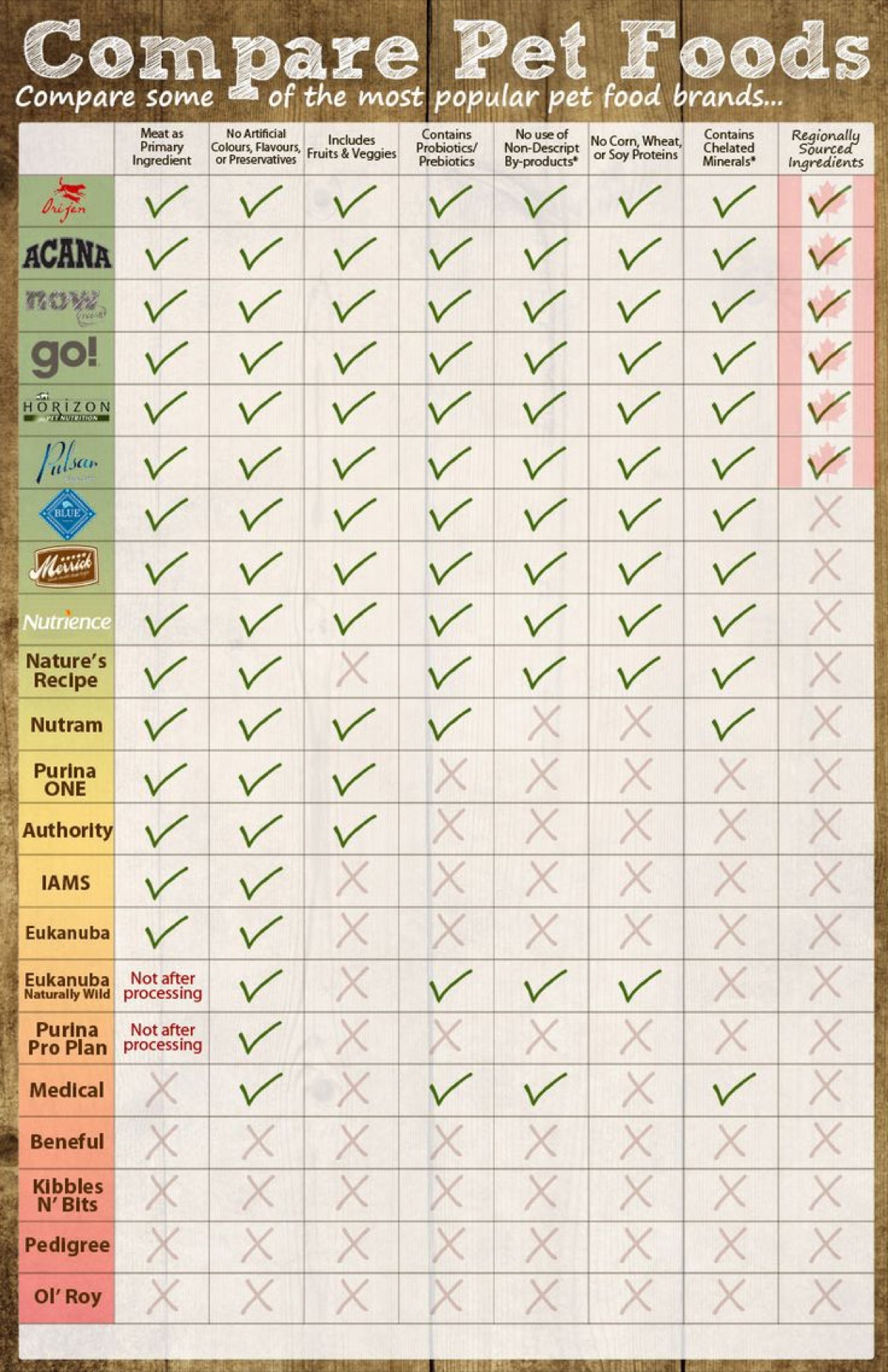
- Product selection: Choose products based on commission rate and conversion data, not quality assessment
- SEO optimization: On-page SEO, internal linking, schema markup
- Publish and iterate: Monitor rankings, update monthly, A/B test product placements
Volume Over Quality
One former affiliate site operator (who requested anonymity) told us: “We published 200 articles in our first year. Maybe 10 of them involved actually opening a product. The rest were written from manufacturer descriptions and competitor reviews. The goal was to rank for every possible search query, not to test anything.”
This is consistent with what we documented in our investigation of hidden ownership behind review sites — the “review” aesthetic is a marketing format, not a journalistic one.
Consumer Deception Mechanics
The Trust Funnel
Affiliate content exploits a specific trust sequence:
- Consumer searches for product guidance (high trust intent)
- Search results present “review” sites (perceived as independent)
- Site uses editorial formatting, bylines, and “testing” language (reinforces independence perception)
- Recommendation is presented as expert judgment (actually commission-optimized)
- Consumer purchases through affiliate link (trust converted to revenue)
Disclosure as Compliance Theater
Our audit of 50 affiliate supplement articles found:
- 32% had no affiliate disclosure whatsoever
- 41% had disclosures buried below the fold or in footer text
- 18% had disclosures in small font or low-contrast colors
- 9% had clear, prominent disclosures meeting FTC guidance
As we analyzed in our piece on FTC endorsement requirements, the legal standard requires disclosures to be “clear and conspicuous” — a standard that 91% of our sample failed to meet.
Frequently Asked Questions
Is affiliate marketing illegal?
No. Affiliate marketing is a legitimate advertising model. The illegality arises from deception: claiming independence while being compensated, failing to disclose material connections[2], or making false efficacy claims. The model itself is legal; the execution frequently is not.
Can an affiliate-funded site give honest recommendations?
Yes, in theory. Some affiliate publishers maintain editorial standards[3] and will recommend lower-commission products when they are genuinely better. However, the economic incentive structure makes this the exception rather than the rule. Without countervailing revenue (subscriptions, donations), the pressure to optimize for commission is relentless[4].
How do I know if a review is affiliate-driven?
Red flags: (1) Every product reviewed is positive, (2) The “best” products are consistently the most expensive, (3) Links contain tracking parameters (look for “?ref=” or “aff_id=” in URLs), (4) The site reviews products but never criticizes them, (5) Content is generic and could apply to any product in the category.
What would a genuinely independent review look like?
Genuine reviews: name their testing methodology, publish both positives and negatives, explain why they chose specific products to test, disclose all funding sources prominently, and are willing to recommend against popular products. They also typically have diversified revenue that does not depend on the products they review.
Related Investigations
References
- U.S. Federal Trade Commission “FTC Endorsement Guides: What People Are Asking.” ftc.gov. Accessed 2026.
- U.S. Government Publishing Office “16 CFR Part 255: Guides Concerning the Use of Endorsements and Testimonials in Advertising.” ecfr.gov. Accessed 2026.
- U.S. Food and Drug Administration “Dietary Supplements.” fda.gov. Accessed 2026.
- U.S. Government Accountability Office “Reports and Testimonies.” gao.gov. Accessed 2026.
- U.S. Federal Trade Commission “Negative Option Rule.” ftc.gov. Accessed 2026.