Regulatory Gap: Why the FDA Can’t Keep Up With Pet Supplement Claims
Our Investigations Desk —
On this page
Table of Contents
- Our Investigation
- Structural Limitations
- Jurisdictional Gaps
- International Comparison
- Proposed Reforms
- Frequently Asked Questions
- References
🔑 Key Takeaways
- The FDA’s CVM has approximately 1,500 staff overseeing all animal drugs, feeds, and supplements — a $50B+ market
- Pet supplements are regulated as food, not drugs, meaning no pre-market approval is required
- Enforcement is complaint-driven, with an estimated 2-5% violation detection rate
- International comparisons (EU, Australia) show that stronger regulatory models exist but face industry opposition
Our Investigation
Why do misleading pet supplement claims persist for months or years before enforcement? Our research desk analyzed the FDA’s structural capacity, jurisdictional boundaries, and enforcement mechanisms to understand why the regulatory system consistently fails to protect consumers from deceptive marketing.
Key Finding: The FDA’s inability to police pet supplement claims is not accidental — it is structural. The agency was not designed, funded, or authorized to proactively oversee a $2.4 billion market of 5,000+ products making thousands of individual claims.
Structural Limitations
Resource Allocation
The FDA’s Center for Veterinary Medicine (CVM) is responsible for:
- All animal drug approvals (new animal drug applications)
- Animal feed safety (including pet food)
- Animal dietary supplements
- Animal medical devices
- Antimicrobial resistance monitoring
- Import safety for animal products
CVM’s total budget is approximately $280 million annually, with roughly 1,500 full-time employees. The pet supplement segment — one of many responsibilities — receives a fraction of this already limited capacity.
The Pre-Market Void
Unlike animal drugs (which require FDA approval before sale), pet supplements require no pre-market review[2]. A company can:
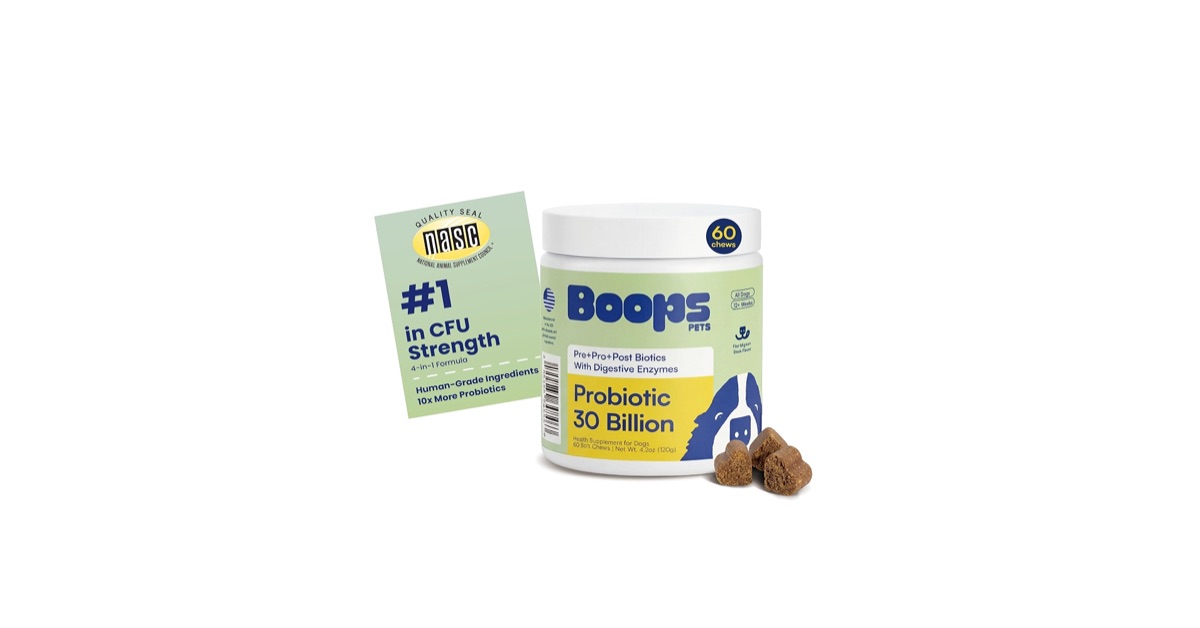
- Formulate a product
- Print labels with structure/function claims
- Begin selling immediately
- Never interact with the FDA unless a complaint triggers inspection
This means the FDA has no inventory of products on the market, no database of claims being made, and no mechanism to evaluate claims before consumers see them. The agency is structurally blind until something goes wrong.
Enforcement Capacity
As documented in our 5-year warning letter analysis, the FDA issues approximately 8-12 warning letters per year to pet supplement companies[1]. Against an estimated 5,000+ active products making potentially non-compliant claims, this represents a detection and enforcement rate of well under 1%[3].
Jurisdictional Gaps
The Food-Drug Boundary
Pet supplements exist in a jurisdictional gray zone:
- If classified as food: Subject to labeling requirements but no pre-market approval. Structure/function claims permitted without evidence.
- If classified as drug: Would require full NADA (New Animal Drug Application) approval — years of testing, millions of dollars.
- Current reality: Treated as food unless they make explicit disease claims, at which point they become “unapproved drugs” subject to enforcement.
This creates a perverse incentive: companies stay just below the drug-claim threshold (“supports joint health” rather than “treats arthritis”) to avoid drug regulation while still implying therapeutic benefit to consumers.
The FTC-FDA Divide
Advertising oversight is split:
- FDA: Regulates labeling (what is printed on the product)
- FTC: Regulates advertising (what is said in marketing, online claims, social media)
This split creates coordination challenges. A product may have compliant labeling (FDA jurisdiction) but deceptive online marketing (FTC jurisdiction). Neither agency has primary responsibility for the total consumer experience.
State vs Federal
State feed control officials[4] (organized through AAFCO) have authority over animal feed and supplements sold within their states. However:
- State resources vary enormously (some states have 1-2 feed inspectors total)
- Online sales complicate jurisdiction (product sold from Utah to a consumer in Maine)
- State enforcement is primarily limited to labeling compliance, not marketing claims
- No state has a dedicated pet supplement oversight program
International Comparison
| Jurisdiction | Regulatory Model | Pre-Market Review | Claim Verification |
|---|---|---|---|
| United States | Food (post-market, complaint-driven) | None | None (self-certified) |
| European Union | Feed additive (pre-market authorization) | EFSA safety assessment required | Health claims require EFSA approval |
| Australia | APVMA registration (for therapeutic claims) | Required for therapeutic products | Evidence dossier required |
| Canada | CFIA registration | Product registration required | Label claims reviewed pre-market |
The U.S. model is the most permissive among developed nations. The EU model, by contrast, requires safety assessment by the European Food Safety Authority (EFSA) before any feed additive (including probiotics) can be marketed, and health claims require specific EFSA approval with supporting evidence.
Proposed Reforms
Consumer advocates and some legislators have proposed:
- Mandatory product registration: Require all pet supplements to register with FDA before sale (similar to human supplement facility registration, but product-level)
- Claim substantiation requirement: Require companies to have evidence supporting structure/function claims, available to FDA upon request
- Adverse event reporting: Mandate reporting of adverse events (currently voluntary for most supplements)
- Increased funding: Dedicated pet supplement oversight budget within CVM
- Third-party testing mandate: Require batch testing by accredited laboratories with results available to regulators
Industry opposition to these proposals has been consistent and well-funded. The pet supplement industry spends an estimated $5-10 million annually on lobbying[5] against increased regulation, primarily through trade associations. As we documented in our investigation of corporate ownership structures, the industry’s largest players have both the incentive and the resources to maintain the regulatory status quo.
Frequently Asked Questions
Why has Congress not reformed pet supplement regulation?
Three factors: (1) The industry is economically significant and lobbies effectively, (2) Pet supplements are not a high-profile political issue (unlike human drug pricing), (3) The current framework was established by the 1994 DSHEA analog for animals, and legislative inertia favors the status quo. Reform requires a political champion willing to spend capital on a niche issue.
Would stronger regulation make supplements safer?
Based on international comparisons, likely yes. The EU’s pre-market authorization model has prevented several products from reaching market that were later found problematic in the U.S. However, regulation also increases costs, which could reduce product availability and increase prices. The question is whether the safety benefit justifies the economic cost.
What can I do as a consumer given the regulatory gap?
(1) Do not assume regulatory oversight protects you — it largely does not. (2) Rely on third-party verification (NASC, independent testing) rather than regulatory compliance. (3) File complaints when you encounter misleading claims (FDA Safety Reporting Portal, FTC). (4) Support consumer advocacy organizations pushing for reform. (5) Make purchase decisions based on evidence, not marketing. See our consumer verification guide for a practical framework.
Is the NASC a substitute for government regulation?
No. The NASC is an industry self-regulatory body with limited enforcement power. It cannot issue fines, compel recalls, or prosecute fraud. Its membership is voluntary, meaning the worst actors simply do not join. It provides meaningful value for members (as documented in our NASC analysis) but cannot replace government oversight of the entire market.
Related Investigations
References
- U.S. Food and Drug Administration “Warning Letters.” fda.gov. Accessed 2026.
- U.S. Food and Drug Administration “Dietary Supplements.” fda.gov. Accessed 2026.
- U.S. Government Accountability Office “Reports and Testimonies.” gao.gov. Accessed 2026.
- Association of American Feed Control Officials “Human Grade Pet Food Claim FAQs.” aafco.org. Accessed 2026.
- National Animal Supplement Council “NASC Quality Seal Program.” nasc.cc. Accessed 2026.