

Inside the Pet Supplement Industry: $2.4B and Growing
Our Investigations Desk —
On this page
The pet supplement industry is no longer a niche corner of the pet store. It is a $2.4 billion market in the United States alone, growing at 7-9% annually[1], attracting venture capital, private equity, and strategic acquisition by multinational consumer goods corporations. The category has professionalized, consolidated, and — in many respects — outpaced the regulatory framework meant to oversee it.
Understanding how this industry is put together is not an academic exercise. It explains what products reach your shelf, what they are allowed to claim, and why the price keeps climbing. This report pulls the whole machine apart, piece by piece.
Market Size and Growth
Current Valuation
Multiple market research firms converge on similar figures:
- Grand View Research (2025): U.S. pet supplements valued at $2.38 billion[2].
- Mordor Intelligence (2025): $2.41 billion, with global market at $4.87 billion.
- Statista (2025): U.S. pet vitamins and supplements revenue at $2.3 billion.
The canine segment represents approximately 60-65% of the total, with feline at 25-30% and other species (equine, avian, small mammal) comprising the remainder.
Growth Projections
Consensus forecasts project the U.S. market reaching $3.8-4.2 billion by 2030, representing a compound annual growth rate (CAGR) of 7-9%. This outpaces overall pet industry growth[3] (5-6%) and significantly outpaces human supplement growth (4-5%).
Category Breakdown
By product type, the canine supplement market segments approximately as:
- Joint health (glucosamine, chondroitin, MSM, omega-3): ~30-35% of market
- Digestive health (probiotics, prebiotics, enzymes): ~20-25%
- Skin and coat (omega fatty acids, biotin): ~15-18%
- Calming and behavior (L-theanine, CBD, chamomile): ~10-12%
- Immune support (antioxidants, vitamins, mushrooms): ~8-10%
- Senior/cognitive health (MCT oil, phosphatidylserine): ~5-7%
- Oral health: ~3-5% (significantly underrepresented relative to disease prevalence)
- Multivitamins and general wellness: ~5-8%
Growth Drivers
1. Pet Humanization
The structural driver underlying all others: pets are increasingly positioned as family members rather than animals. The American Pet Products Association reports that 66% of U.S. households own a pet[4], and spending per pet has increased 40% since 2015 (inflation-adjusted). Owners who consider dogs “children” apply human health-consumption patterns: preventive supplementation, ingredient scrutiny, and willingness to pay premium prices for perceived quality.
2. Aging Pet Population
Advances in veterinary medicine have extended average canine lifespan. Dogs living to 12-15 years develop age-related conditions (osteoarthritis, cognitive decline, cardiac disease) that owners seek to manage preventively. The “senior dog” supplement segment is the fastest-growing subcategory[5] (12-15% CAGR).
3. Digital-First Distribution
Subscription DTC models (auto-ship, subscribe-and-save) reduce purchase friction and create recurring revenue. Chewy’s autoship program, Amazon Subscribe & Save, and brand-owned subscription platforms have shifted purchasing from episodic (pet store visit) to habitual (monthly delivery). This favors supplement products — consumable, repeatable, shippable — over durable goods.
4. Social Media and Influencer Marketing
Instagram, TikTok, and YouTube pet influencers drive product discovery. “Pet parent” content creators with 100K-5M followers promote supplements through sponsored posts, affiliate links, and “honest review” formats. The marketing cost per acquired customer through influencer channels is often lower than traditional advertising, making it attractive for DTC startups.
5. Preventive Health Mindset
The cultural shift from reactive treatment (“see the vet when something is wrong”) to proactive prevention (“supplement daily to avoid problems”) mirrors the human wellness movement. Supplements are positioned as affordable insurance against future veterinary costs — a $30/month chew versus a $3,000 surgery.
Key Players and Competitive Structure
Legacy Animal Health Companies
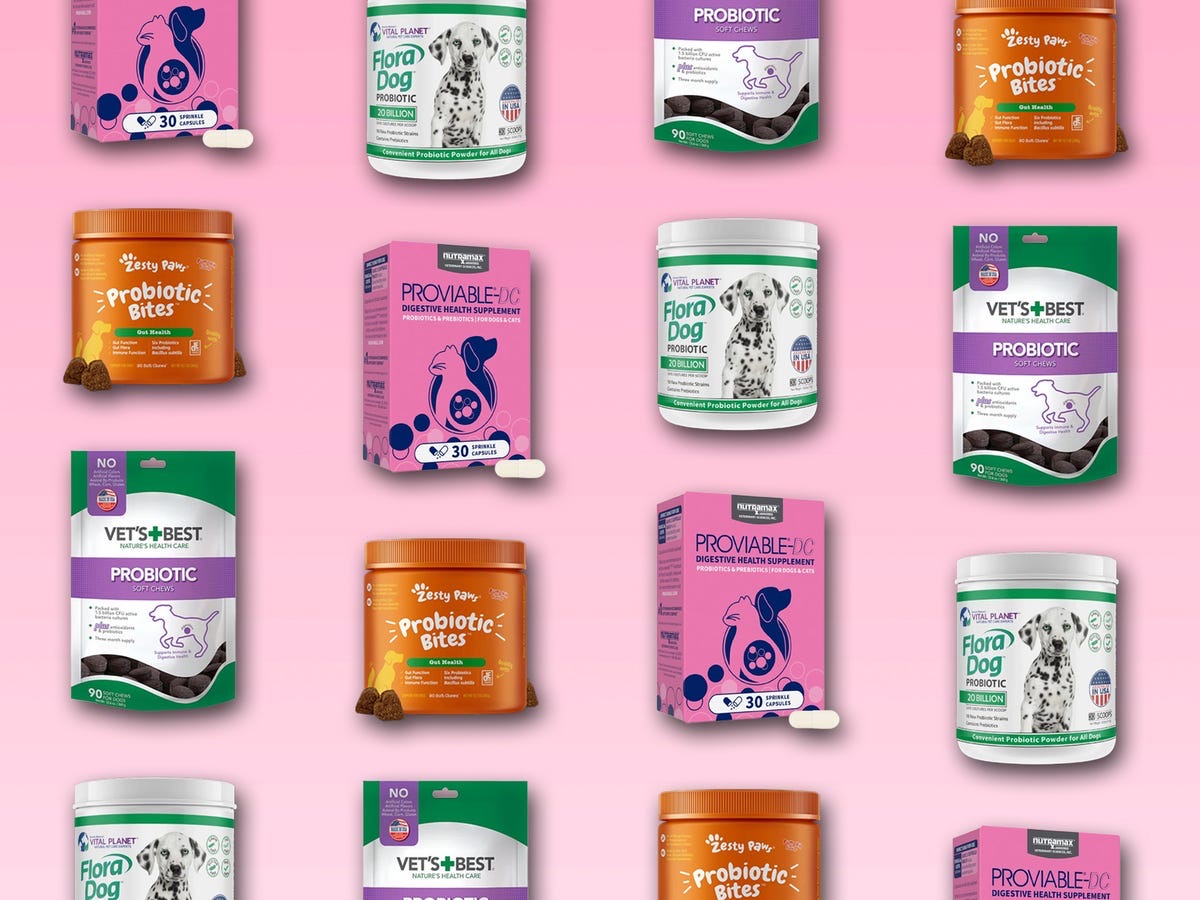
- Nutramax Laboratories: Maker of Cosequin and Dasuquin (joint), Proviable (probiotics). Veterinary-channel dominant. Privately held, family-owned company founded in 1992 by Dr. Robert Henderson.
- Zesty Paws (Health & Happiness International): DTC pioneer, Amazon-dominant. Acquired by H&H International (also owns Swisse human supplements) in 2021 for ~$610 million (US$610M base consideration per HKEX filing).
- VetriScience (FutureCeuticals): Veterinary-channel supplements. Broad portfolio across categories.
Multinational Entrants
- Mars Petcare: Greenies (dental), plus supplement line extensions under Pedigree and IAMS brands.
- Nestlé Purina: Pro Plan supplements, FortiFlora (probiotic). Leveraging veterinary nutrition research infrastructure.
- Colgate-Palmolive (Hill’s): Science Diet supplement additions, prescription-adjacent products.
- J.M. Smucker (Rachael Ray Nutrish, 9Lives): Supplement-fortified food and treat products.
DTC Startups and Venture-Backed Brands
The 2019-2025 period saw an influx of venture-funded DTC pet supplement brands, typically characterized by:
- Subscription-first business model
- Instagram/TikTok-native marketing
- “Clean label” positioning (no fillers, no artificial ingredients)
- Aggressive affiliate programs (30-50% commission)
- Contract manufacturing (few own production facilities)
- Rapid SKU expansion across categories
Not all survive. The DTC pet supplement space has seen significant churn, with brands launching, scaling through paid acquisition, and either achieving profitability or being acquired/shut down within 3-5 years.
Private Label and Contract Manufacturing
A significant portion of the market is produced by a small number of contract manufacturers:
- Manufacturing concentration: An estimated 60-70% of U.S. pet supplement SKUs are produced by fewer than 20 contract manufacturing facilities, primarily in Utah, New Jersey, and Florida.
- Private label: Retailer brands (Chewy, PetSmart, Costco/Kirkland, Amazon) source from the same manufacturers as branded products, with different labeling and minor formulation variations.
- Implication: Products from seemingly unrelated brands may share manufacturing lines, base formulations, and quality-control infrastructure.
Consolidation Trends
Acquisition Activity (2020-2026)
The pet supplement space has experienced significant M&A activity:
- 2021: H&H International acquires Zesty Paws (~$610M)
- 2022: Nutramax Laboratories continues as independent, family-owned company
- 2023: Multiple mid-market acquisitions by private equity firms targeting DTC pet health brands
- 2024-2025: Continued roll-up activity; PE firms assembling “platforms” of complementary pet health brands
Drivers of Consolidation
- Scale economics: Larger entities negotiate better raw material pricing, manufacturing rates, and retail placement.
- Channel access: Acquiring a DTC brand provides direct consumer data; acquiring a veterinary-channel brand provides clinic distribution.
- Portfolio breadth: Multi-category portfolios reduce customer acquisition cost through cross-selling.
- Exit liquidity: Venture-backed founders seek exits; strategic buyers (Mars, Nestlé, Boehringer) pay premiums for growth-stage brands.
Consumer Implications
Consolidation is neither inherently good nor bad for consumers. But it does change what you are actually choosing between:
- Quality investment: Larger owners may fund clinical trials, stability testing, and quality infrastructure that startups cannot afford.
- Reduced differentiation: As brands consolidate under common ownership, product formulations may converge. “Competing” brands on the shelf may share a parent company.
- Marketing sophistication: Corporate marketing departments bring larger budgets, more sophisticated targeting, and greater capacity to shape consumer perception.
- Price pressure: Reduced competition in consolidated segments can lead to price increases without corresponding quality improvements.
The Regulatory Environment
As documented in our regulatory analysis, the pet supplement industry operates with minimal pre-market oversight. The FDA does not approve supplements before sale. AAFCO provides guidelines without enforcement. NASC offers voluntary certification covering a fraction of the market.
This regulatory environment has enabled rapid market entry and innovation. It has also enabled:
- Products with unverified label claims
- Inconsistent quality between batches
- Marketing that outpaces evidence
- Contamination incidents detected only post-market
The industry’s growth has outpaced regulatory capacity. Whether this gap closes through increased FDA enforcement, new legislation, or industry self-regulation remains an open question as of 2026.
What This Means for Consumers
- More choice does not mean more quality. The proliferation of SKUs reflects marketing segmentation, not necessarily scientific differentiation. Many products are minor variations of the same base formulation.
- Price is not a reliable quality signal. Premium pricing may reflect marketing costs, packaging, and brand positioning rather than ingredient quality or clinical evidence.
- Corporate ownership affects incentives. A venture-backed brand under pressure to show growth metrics may prioritize customer acquisition over product development. A legacy company with veterinary-channel reputation has different incentive structures.
- Independent verification matters more as the market grows. With thousands of SKUs and limited regulatory oversight, the burden of quality assessment falls on the consumer. Third-party testing, published evidence, and transparent sourcing become essential evaluation criteria.
The Bottom Line
The pet supplement industry is a $2.4 billion market growing faster than the regulatory framework designed to oversee it. It is consolidating under corporate ownership, professionalizing its marketing, and expanding its product universe faster than the evidence base can support.
None of this makes supplements inherently bad. Many products are well-formulated, appropriately dosed, and genuinely beneficial. But the market’s structure — growth-driven, marketing-intensive, lightly regulated — creates conditions where commercial incentives can outpace scientific justification.
The informed consumer cuts through all of this by asking a few blunt questions: what is the evidence for this specific product? Who verified its contents? What does the corporate structure incentivize? And who benefits most from my purchase — my dog, or the affiliate who recommended it?
U.S. Pet Supplement Market: Estimates Compared
| Source | U.S. Market (2025) | Global | Growth |
|---|---|---|---|
| Grand View Research | $2.38B | — | 7–9% |
| Mordor Intelligence | $2.41B | $4.87B | ~8% |
| Statista | $2.3B | — | — |
| APPA (context) | 66% of U.S. households own a pet | — | +40% spend since 2015 |
Frequently Asked Questions
How large is the U.S. pet supplement market?
The U.S. pet supplement market is valued at approximately $2.4 billion as of 2025, with projections reaching $3.8-4.2 billion by 2030 (CAGR 7-9%). The canine segment accounts for approximately 60-65% of the supplement category.
What is driving growth in pet supplements?
Key drivers include: pet humanization trends, increasing pet longevity creating demand for senior-health products, social media and influencer marketing, subscription DTC models reducing purchase friction, and growing consumer interest in preventive health over reactive veterinary treatment.
Who are the major players in the pet supplement industry?
The market includes legacy animal health companies (Nutramax, Zesty Paws/H&H International), pet food conglomerates (Mars, Nestlé Purina, Colgate-Palmolive/Hill’s), DTC startups, and private-label manufacturers. Consolidation through acquisition has accelerated since 2020.
Is industry consolidation good or bad for consumers?
Consolidation has mixed effects. Potential benefits include greater investment in quality control and clinical research. Potential risks include reduced competition, higher prices, and marketing-driven product development. Consumers should evaluate products on evidence regardless of corporate ownership.
Related Investigations
References
- U.S. Food and Drug Administration “Dietary Supplements.” fda.gov. Accessed 2026.
- U.S. Government Accountability Office “Reports and Testimonies.” gao.gov. Accessed 2026.
- U.S. Federal Trade Commission “FTC Endorsement Guides: What People Are Asking.” ftc.gov. Accessed 2026.
- National Animal Supplement Council “NASC Quality Seal Program.” nasc.cc. Accessed 2026.
- Association of American Feed Control Officials “Human Grade Pet Food Claim FAQs.” aafco.org. Accessed 2026.