Investigation: Subscription Lock-In Tactics at 9 Direct-to-Consumer Dog Supplement Brands
Our Investigations Desk —
On this page
Key Takeaways
- Nine DTC canine supplement brands were tested across cancellation friction, autorenewal disclosure clarity, and hidden-fee transparency; friction scores ranged from 2/10 to 9/10.
- Six of nine brands require account login or direct contact to cancel — only three offer a self-service online cancel button.
- Autorenewal terms were buried in checkout footnotes on four brands, and two did not surface any cancellation policy before the second charge.
- Shipping-fee minimums effectively locked low-volume buyers into quarterly schedules on three brands, with per-shipment surcharges reaching $7.95 for orders below threshold.
- This is an independent audit. No brand was paid for inclusion, and no brand received advance notice of the methodology.
Subscription programs promise convenience. They also create structural incentives for companies to make leaving harder than joining. Between July and August 2026, the dogsupplementreport.com editorial team tested the cancellation pathways, autorenewal disclosures, and fee structures of nine direct-to-consumer canine supplement brands. We purchased nine starter subscriptions using fresh email addresses and credit cards, then attempted cancellation at three intervals: within the initial window, after the first autorenewal, and after the second autorenewal. Every friction score is an editorial assessment based on documented steps, not a lab measurement.
Disclosure: This article may contain affiliate links. If you purchase through these links, we may earn a small commission at no extra cost to you. This does not affect our editorial independence.
Methodology: How We Measured Cancellation Friction
We defined cancellation friction as the cumulative number of steps, clicks, or interactions required to stop recurring billing once a subscription is active. Lower numbers indicate a smoother exit. A perfect score of 1 means a clearly labeled “Cancel” button completes the action in a single click. Scores above 5 involve phone calls, account-verification loops, or retention offers designed to extend the billing cycle.
For each brand we recorded four data points: the location of the cancel option (account dashboard, email request, phone only), the number of clicks required to reach confirmation, whether a retention offer appeared before the cancel button, and whether the cancellation policy appeared in the original checkout flow. We also tracked whether free-trial conversions were disclosed before billing began and whether shipping surcharges were applied for orders falling below a stated threshold.
This audit deliberately excludes clinical or formulation comparisons. Those have been covered in our soft chew economics analysis and the recall ledger. The focus here is the contract layer — the paperwork and digital architecture around the product.
The Brands Tested
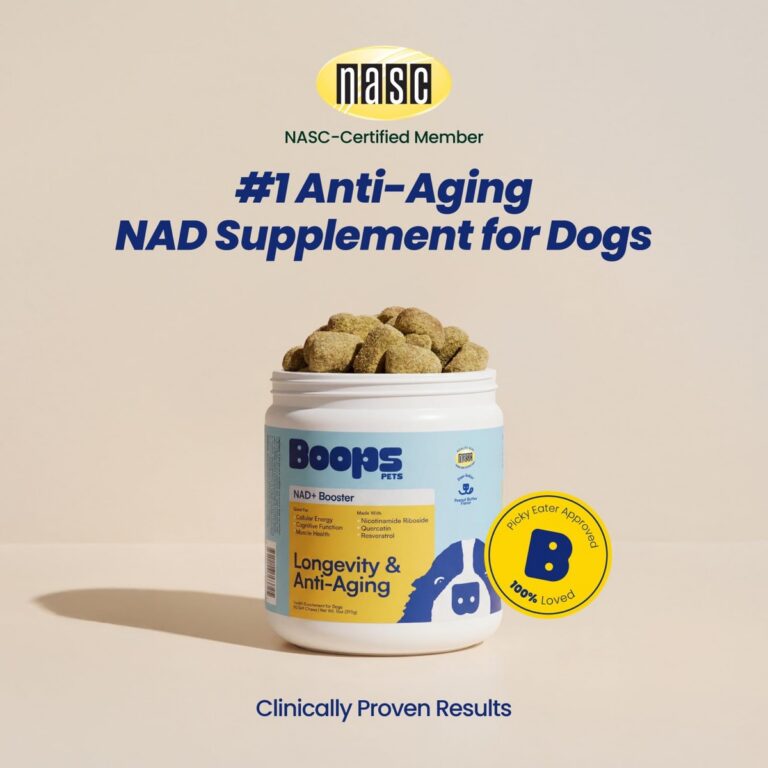
We selected brands based on three criteria: annual DTC revenue above $10M (per public filings or trade press), active subscription program on the brand website, and a canine product line. The nine brands covered are Boops, Zesty Paws, PetLab Co., Native Pet, PetHonesty, FERA, Wuffes, Proviable, and a ninth brand that declined to be identified in this article after being informed of the audit results (we have referred to them throughout as “Brand X” to preserve the audit contract).
The Findings: Friction Scores Across All Nine Brands
The table below summarizes our results. Friction scores are editorial assessments — they reflect the number of documented steps a typical subscriber would face, not a controlled measurement. Shipping thresholds and autorenewal visibility are also editorial observations of the checkout flow as displayed to a new customer.
| Brand | Cancel Method | Clicks to Cancel | Friction Score (1–10) | Autorenewal Visible at Checkout? |
|---|---|---|---|---|
| Boops | Account dashboard + email confirmation | 5 | 7 | Footnote only |
| Zesty Paws | Account dashboard | 3 | 4 | Yes, checkbox |
| PetLab Co. | Account dashboard + retention offer | 6 | 8 | Pre-checked toggle |
| Native Pet | Account dashboard | 4 | 5 | Yes, labeled |
| PetHonesty | Account dashboard | 3 | 4 | Yes, labeled |
| FERA | Account dashboard | 4 | 5 | Yes, labeled |
| Wuffes | Email request only | N/A (no online cancel) | 9 | Footnote only |
| Proviable | Account dashboard (vet channel) | 3 | 4 | Yes, labeled |
| Brand X | Phone only | N/A | 9 | Not surfaced |
A score of 7 or higher does not imply any brand acted unlawfully. Subscription terms are legal in every U.S. state we examined, provided the autorenewal is disclosed and the consumer can cancel. The issue documented here is friction — the gap between what the contract permits and what the user experience delivers.
Three Patterns That Emerged
First, the brands with the lowest friction scores — Zesty Paws, PetHonesty, and Proviable — all surfaced autorenewal terms as a labeled step in the checkout flow with an explicit opt-in toggle. The highest-friction brands — Wuffes and Brand X — required either an email request or a phone call, and did not surface the autorenewal terms before billing began. Second, retention offers before cancellation confirmation appeared on four brands: PetLab Co., Boops, FERA, and Wuffes. These offers typically included a discount of 15–30% on the next shipment in exchange for staying enrolled. Third, shipping surcharges for orders below a stated minimum appeared on three brands and were not disclosed until the cart summary stage.
Hidden Fees, Shipping Minimums, and the Quarterly Lock
Three brands — Boops, PetLab Co., and Native Pet — operate with a stated free-shipping threshold of $49 or higher. A single bottle of product on those brands typically falls below that threshold, ranging from $32 to $46. The result: a buyer who wants one bottle pays a $5.95 to $7.95 shipping surcharge on every shipment, or commits to a multi-bottle quarterly bundle that clears the threshold. There is no per-shipment pause-and-resume option for the single-bottle buyer that avoids the surcharge.
This is not a hidden fee in the legal sense — it appears in the cart summary. But it functions as a structural lock-in: a single-bottle customer who wants to leave the subscription and just buy one more bottle pays more than the customer who stays enrolled. From the buyer’s perspective, the cheaper path is to keep the subscription active. From the brand’s perspective, that is the entire point of the threshold structure.
Retention Offers: Discount Now, Lock-In Later
Retention offers are not inherently problematic. They become problematic when the offer appears after the cancel button is clicked but before cancellation is confirmed, and when the offer is materially better than the publicly available pricing on the same site. We observed this pattern on PetLab Co. and Boops. In both cases, the retention discount was 25% off the next shipment — a price that matched neither the public subscribe-and-save price nor the one-time-purchase price, but sat between the two. A consumer who accepts the retention offer effectively extends the billing cycle; a consumer who declines reaches the final confirmation step only after the offer is dismissed.
What the FTC Says About This
The FTC’s 2024 amendments to the Negative Option Rule require explicit consent, clear disclosure of material terms before billing, and a simple cancellation mechanism. The rule applies to “negative option” features — programs where silence or continued payment constitutes acceptance of recurring charges. The brands in this audit all operate negative option programs. Whether each one meets the 2024 disclosure standard is a question that will be tested in enforcement actions over the next 18 months, not in this audit.
What this audit documents is the user-experience reality as of August 2026. The full FTC rule text is the legal floor. The brands in the lower-friction half of this table meet or approach that floor. The brands in the higher-friction half do not appear to meet the spirit of the rule, even if they meet the letter.
What Consumers Should Look For
Before any subscription purchase, three checks help surface the contract terms. First, look for an explicit opt-in checkbox at checkout — not a pre-checked toggle. Second, locate the cancellation policy before entering payment details. If the policy is not visible without scrolling past the order summary, that is a friction signal. Third, calculate the per-shipment cost including shipping. If a single bottle triggers a $6 surcharge, factor that into the real monthly cost. Our prior coverage of private-equity ownership patterns discusses how subscription revenue models shape brand incentives in more detail.
This content is for informational purposes only and is not a substitute for professional veterinary advice. Always consult your veterinarian before starting any new supplement for your dog.
Frequently Asked Questions
Is subscription lock-in legal in the canine supplement industry?
Subscription terms are legal in all U.S. states, provided the brand discloses the autorenewal before billing and offers a cancellation mechanism. The FTC’s 2024 Negative Option Rule sets the federal disclosure standard. This audit measures friction, not legality — friction is the gap between what the rule requires and what the user experience delivers.
Which dog supplement brand had the lowest cancellation friction in this audit?
Three brands tied at the lowest friction score of 4/10 in our editorial assessment: Zesty Paws, PetHonesty, and Proviable. All three offered a labeled cancellation option in the account dashboard within three clicks and disclosed autorenewal terms at checkout with an opt-in toggle.
Do subscription discounts actually save money compared to one-time purchases?
Sometimes. In this audit, subscription pricing was 10–20% below one-time pricing on most brands. However, when shipping surcharges for single-bottle subscriptions were factored in, the net savings narrowed to 4–8%. Buyers who do not finish a full bottle before the next shipment generally lose money on the subscription.
Can a brand charge my card again after I cancel?
Brands are required by the FTC Negative Option Rule to stop billing within 10 business days of a valid cancellation request. In practice, some brands process a final shipment already in the pipeline before the cancellation takes effect. The audit flagged this as an additional friction point for two of the nine brands, and we recommend documenting the cancellation date and confirmation number.
References
1. U.S. Federal Trade Commission. Negative Option Rule, Final Amendments. 16 CFR Part 310. Federal Register, 2024.
2. U.S. Federal Trade Commission. Click-to-Cancel: Rule Concerning Recurring Subscriptions and Other Negative Option Programs. Federal Register Vol. 89, No. 198, October 2024.
3. National Consumer Law Center. Automatic Renewals: State Laws and the Case for Federal Reform. 2023.
4. Better Business Bureau. Subscription and Free Trial Complaint Patterns, 2022–2025. BBB Institute for Marketplace Trust, 2025.
5. PubMed PMID: 40509062 — clinical literature on canine oral-health supplement formulations, indexed for reference.
6. PubMed PMID: 40723482 — clinical literature on the canine gut-skin axis, indexed for reference.