
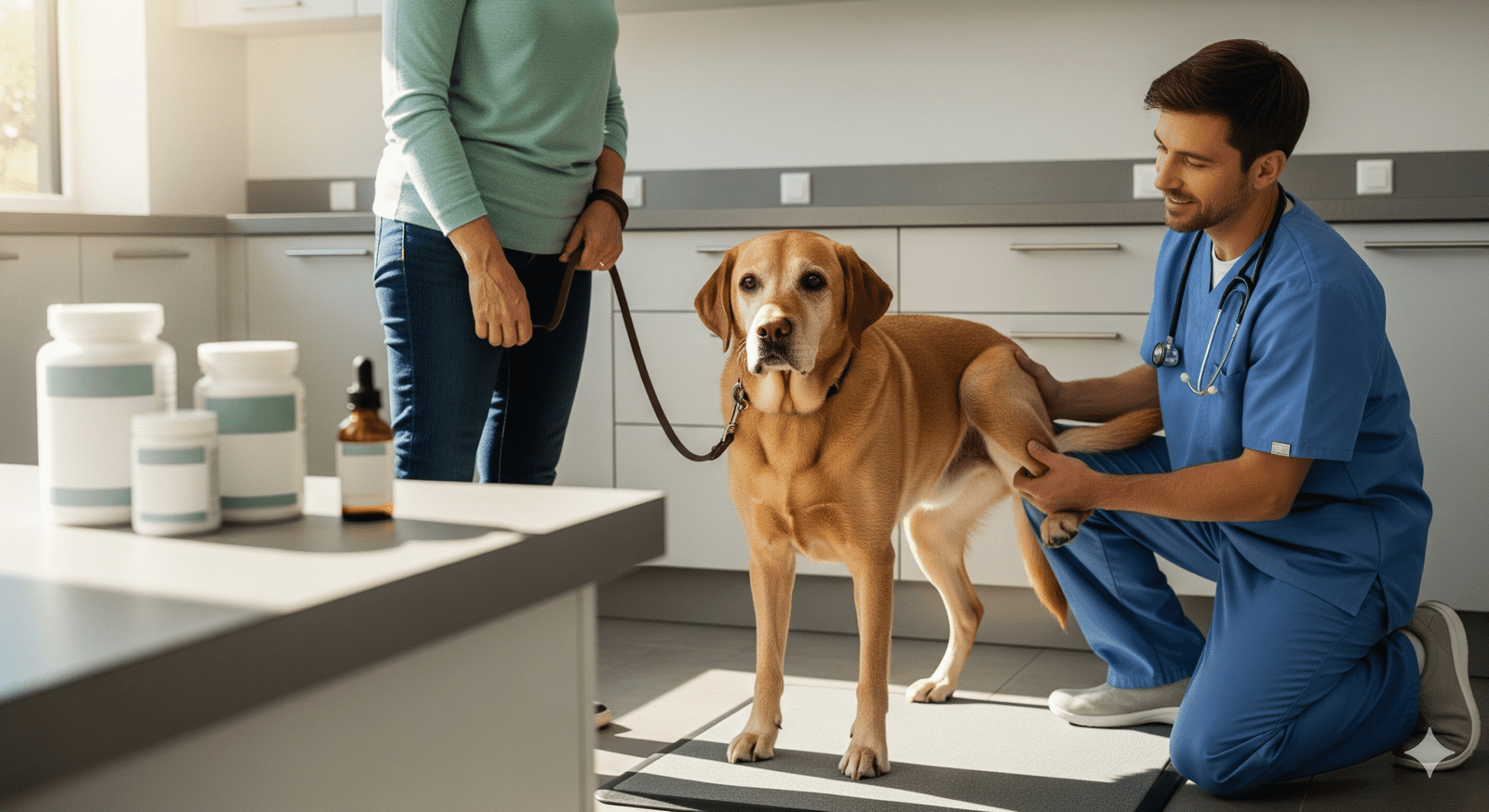
Joint health for dogs becomes increasingly critical as our canine companions age, with osteoarthritis affecting the majority of senior dogs and significantly impacting their quality of life. Recent research from the Dog Aging Project reveals that 40% of adult dogs in the United States receive some form of joint supplement, with older age, larger size, and previous weight issues being key predictors of supplementation. Understanding when and how to implement joint supplements represents a crucial component of geriatric canine care. Understanding Joint Health for Dogs The Importance of Joint Supplements Current pharmaceutical treatments for canine osteoarthritis remain limited to clinical sign alleviation rather than disease modification. This limitation has driven extensive research into dietary supplements for dogs that can provide both symptomatic relief and potential disease-modifying effects. Unlike traditional NSAIDs that primarily target symptoms, joint supplements aim to support cartilage health and reduce inflammatory processes at the cellular level. Aging and Joint Health How Aging Affects Joint Function Age-related changes in joint function involve decreased cartilage integrity, reduced synovial fluid production, and increased inflammatory mediator activity. Research demonstrates that dogs with clinical osteoarthritis diagnosis are 3.82 times more likely to receive joint supplements compared to those without diagnosed joint disease. The aging process also affects the body’s natural ability to synthesize protective compounds like glucosamine and chondroitin sulfate, making supplementation increasingly important for senior dogs. Common Joint Issues in Older Dogs Older dogs frequently develop osteoarthritis in weight-bearing joints, including hips, elbows, and stifles, with symptoms ranging from subtle stiffness to significant lameness. Large breed dogs show particular susceptibility, while previously overweight dogs demonstrate increased risk regardless of current weight status. The progression from mild joint discomfort to severe mobility impairment typically occurs gradually, making early intervention with appropriate supplements crucial for maintaining quality of life. Key Nutritional Supplements Glucosamine for Older Dogs Glucosamine for older dogs represents one of the most studied joint supplements, functioning as a building block for cartilage matrix synthesis. While traditional glucosamine supplementation faces bioavailability challenges, recent formulations incorporating enhanced absorption technologies show improved therapeutic potential. Research indicates that glucosamine works synergistically with other compounds to provide anticatabolic and anti-inflammatory effects in osteoarthritic joints. Omega-3 Fatty Acids for Dogs Omega-3 fatty acids for dogs demonstrate significant anti-inflammatory properties that directly benefit joint health. A systematic review and meta-analysis revealed evident clinical analgesic efficacy for omega-3-enriched diets in dogs and cats with osteoarthritis. Optimal dosing typically begins at 100 mg/kg daily, increasing to 200 mg/kg for maximum therapeutic benefit. EPA and DHA specifically target inflammatory pathways involved in cartilage degradation and pain sensation. Natural Anti-Inflammatories for Dogs Natural anti-inflammatory for dogs options include several plant-derived compounds with proven efficacy in clinical studies. Turmeric and curcumin demonstrate particular promise, with research showing significant anti-inflammatory, anticancer, and antioxidant effects. A randomized, double-blind study found that dogs receiving a diet supplemented with curcuminoids extract, hydrolyzed collagen, and green tea extract showed measurable improvements in osteoarthritis symptoms over three months. Undenatured Type II Collagen (UC-II) emerges as another highly effective natural supplement, demonstrating superior effectiveness compared to glucosamine and chondroitin sulfate even at smaller dosages. Studies show UC-II’s unique immune-mediated mechanism helps inhibit inflammation and tissue catabolism at the articular level. Recent clinical trials confirm that UC-II combined with Boswellia serrata provides significant improvements in mobility, pain reduction, and joint metabolism in dogs with mild to moderate osteoarthritis. Choosing the Right Joint Supplements Key Ingredients to Look For The most effective joint supplements combine multiple active ingredients working through different mechanisms. Bioactive collagen peptides demonstrate particular promise, with a recent study showing significant improvements in gait and quality of life in dogs with naturally occurring osteoarthritis. Eggshell membrane (NEM®) represents another innovative ingredient, with clinical trials showing 47.9% improvement in cartilage turnover markers after 6 weeks of supplementation at approximately 13.5 mg/kg daily. Vitamin E supplementation at high doses shows promise for reducing inflammation and joint lesions, with studies demonstrating significant reduction in cartilage damage scores and trends toward improved pain management. Evaluating Dietary Supplements for Dogs Quality dietary supplements for dogs should provide standardized, bioavailable formulations with proven efficacy in peer-reviewed studies. Key evaluation criteria include specific strain identification for botanical ingredients, guaranteed potency levels, and appropriate bioavailability enhancement technologies. Combination products often demonstrate superior efficacy compared to single-ingredient supplements, with synergistic effects enhancing overall therapeutic outcomes. Dosage and Administration Recommended Dosages for Different Supplements Dosage recommendations vary significantly based on the specific supplement and dog size. Gelatin hydrolysate shows efficacy at 10 grams daily for treatment periods of 8 weeks, significantly improving activity and reducing stiffness and lameness. Palmitoyl-glucosamine co-micronized with curcumin demonstrates effectiveness when administered three times per week, providing 45% recovery in locomotor function in osteoarthritis models. Tips for Administering Supplements Successful supplement administration requires consistent daily dosing mixed with regular meals to enhance absorption and reduce gastrointestinal upset. Most joint supplements require 6-8 weeks of consistent administration before meaningful clinical improvements become apparent. Bioavailability enhancement through microencapsulation or specialized delivery systems can significantly improve therapeutic outcomes compared to standard formulations. Monitoring Your Dog’s Health Signs That Supplements are Working Positive response indicators include improved mobility during morning activity, reduced stiffness after rest periods, increased willingness to engage in physical activity, and decreased reluctance to climb stairs or jump. Objective measurements such as improved gait analysis scores and reduced inflammatory biomarkers provide additional confirmation of supplement efficacy. When to Consult Your Veterinarian Veterinary consultation becomes essential when dogs show progressive lameness, significant pain responses, or failure to respond to appropriate supplement regimens after 8-12 weeks of consistent administration. Professional evaluation can identify underlying conditions requiring multimodal treatment approaches combining supplements with pharmaceutical interventions or physical therapy modalities. Conclusion Recap of Benefits The scientific evidence strongly supports the use of joint supplements for older dogs, particularly those containing omega-3 fatty acids, undenatured type II collagen, bioactive collagen peptides, and natural anti-inflammatory compounds like curcumin and Boswellia serrata. These supplements provide disease-modifying potential beyond simple symptom management, offering hope for maintaining joint health and mobility throughout the
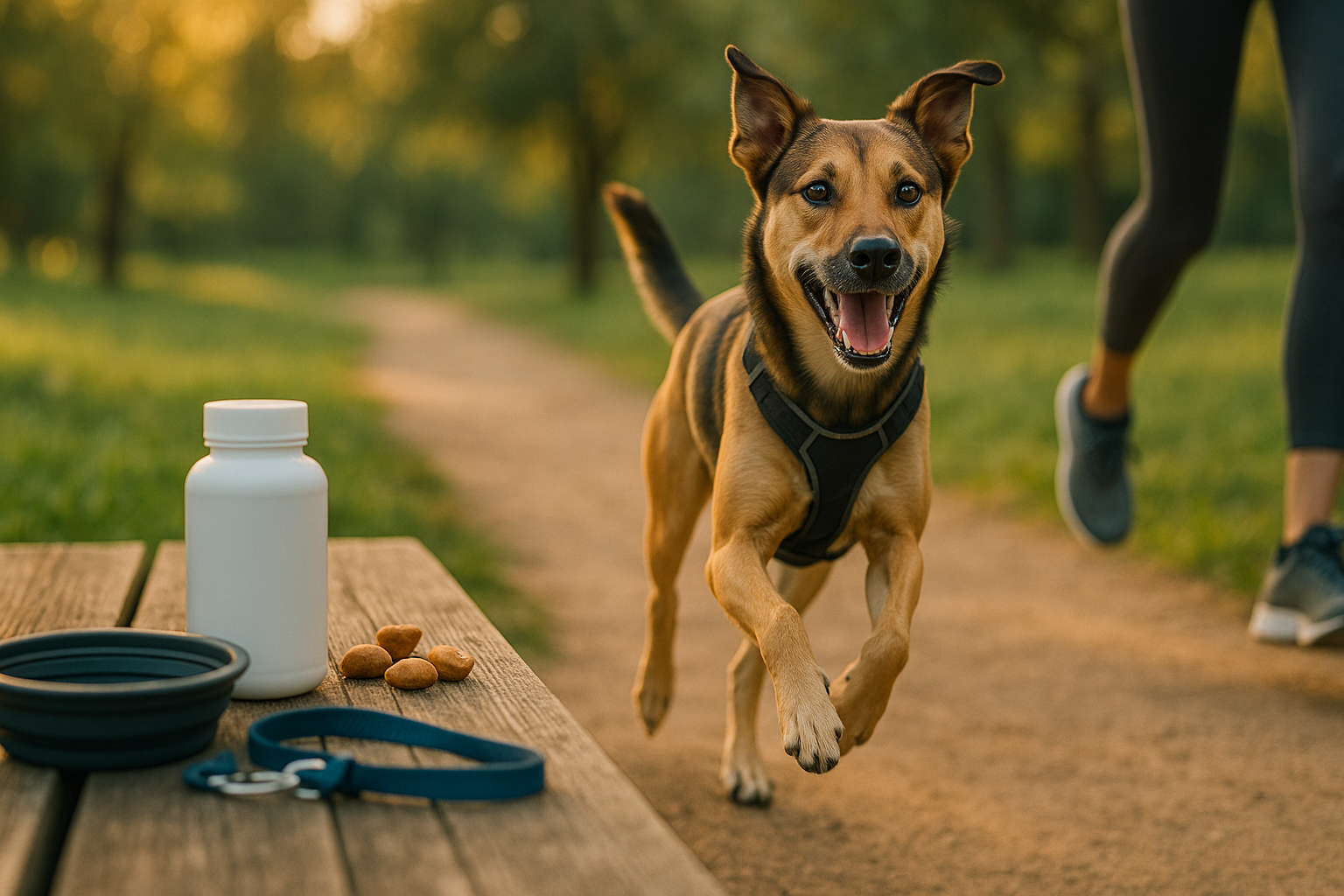
The Best Multivitamins for Active Dogs: Boost Your Pup’s Energy Levels
Active dogs lead busy, energetic lives and require optimal nutrition to keep them healthy, strong, and thriving. While a balanced diet provides a solid foundation, multivitamins designed specifically for active dogs can fill nutritional gaps, support their high energy demands, and promote overall wellness. Here’s a comprehensive guide to the best multivitamins for active dogs, key beneficial ingredients, and how to select and administer them. Understanding Active Dog Nutrition Active dogs burn more calories and strain their muscles, joints, and immune systems more than less active pets. They benefit from targeted canine vitamins and minerals that support energy production, muscle recovery, immune defenses, and tissue repair. Multivitamins tailored for active dogs help complement their diet and maintain peak health through crucial nutrients often lacking or insufficient in regular dog foods. Key Ingredients in Multivitamins for Dogs Omega Fatty Acids for Dogs Omega-3 and Omega-6 fatty acids play essential roles in skin and coat health, reducing inflammation in joints, and supporting brain and heart function. Ingredients such as EPA and DHA are important for maintaining mobility and cognitive function in active dogs. Natural sources of these omegas are preferred due to higher absorption rates and fewer additives. Vitamin D for Dogs Dogs rely on dietary intake for vitamin D, which is vital for calcium absorption, bone strength, muscle function, and immune support. Active dogs especially need adequate vitamin D to maintain skeletal health and muscle performance. A proper balance of vitamin D prevents deficiencies linked to muscle weakness and bone issues. Essential Vitamins and Minerals Multivitamins commonly include vitamins A, C, E, and B-complex, which support immune health, cellular function, and energy metabolism. Minerals like calcium, phosphorus, and magnesium help with bone and muscle strength. Antioxidants and Their Role in Canine Health Antioxidants such as vitamin C, E, and selenium are critical to combating free radicals generated during intense physical activity. They help reduce oxidative damage, thereby supporting recovery and long-term health in active dogs. Top Multivitamins for Active Dogs Honest Paws Daily Multivitamin for Dogs This science-backed formula includes glucosamine and chondroitin for joint health, omega fatty acids for coat and skin, plus antioxidants that support immune function and cellular energy. It’s tasty and designed for all life stages, making it convenient and effective for active dogs. VetriScience 27+ Active Health A vet-recommended multivitamin combining vitamins A, C, E, B-complex, and fish oil concentrate rich in EPA and DHA. It supports mood, memory, joint comfort, skin, and immune system health, suitable for active dogs of all sizes. Zesty Paws Multivitamin for Dogs Packed with over 35 minerals and vitamins, this multivitamin targets nourishment and immune support. It also enhances mobility and coat health with key nutrients. Neutravet Multivite Chewables Affordable and high-quality, this option provides a plethora of vitamins, including A, D, E, and C, plus calcium to support bones, teeth, skin, and overall vitality of active pets. How to Choose the Right Multivitamin for Your Active Dog Administering Multivitamins to Your Dog Signs Your Dog Might Need More Supplements Final Thoughts on Active Dog Nutrition and Multivitamins For active dogs, multivitamins can be a valuable addition to their diet, helping to boost energy levels, support joint and muscle health, improve coat quality, and strengthen immune defenses. Choosing products with science-backed formulas rich in omega fatty acids, vitamin D, antioxidants, and essential minerals ensures your dog receives comprehensive care to thrive in their active lifestyle. Always opt for high-quality, natural ingredients and consult your veterinarian to tailor supplementation to your dog’s unique needs. With the right multivitamin, you’re empowering your pup to maintain peak performance and lifelong vitality.
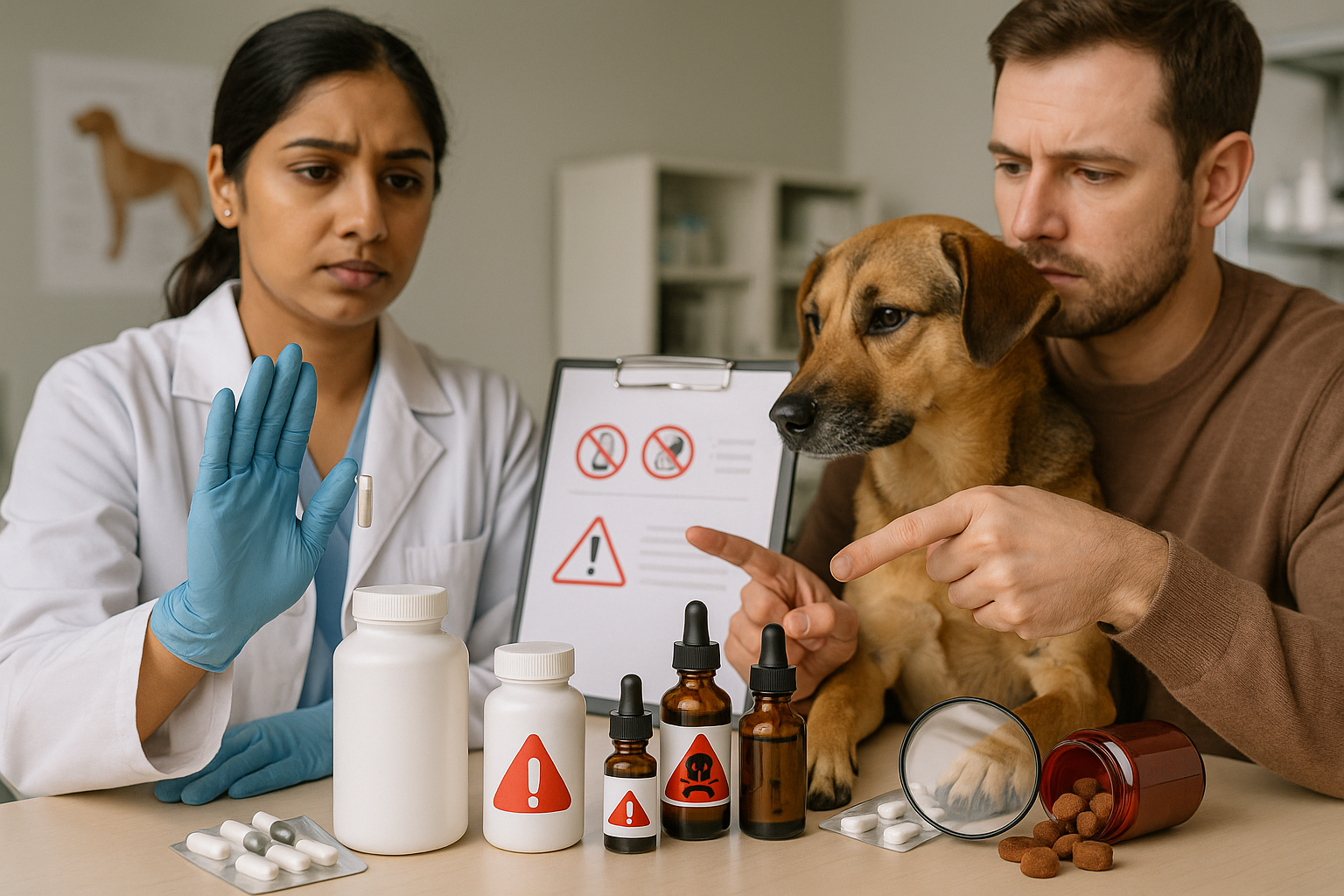
Dangerous Dog Supplements: What Every Owner Needs to Know
When it comes to caring for our furry friends, pet owners are increasingly turning to supplements to boost their dogs’ health. However, not all supplements are safe, and certain dangerous trends in the dog supplement world could pose serious risks to your pet. Understanding these risks and making informed decisions can help ensure your dog’s safety and well-being. Dog Food Additives to Avoid Some dog food additives commonly found in supplements can be harmful. It’s important to read labels carefully and watch out for the following: Common Supplements with Hidden Dangers Even supplements that seem healthy can have hidden risks. The Deceptive Allure of “Miracle” Supplements Marketing claims for supplements promising miraculous results—like joint restoration, cancer prevention, or enhanced cognitive function—can be misleading. These products may sound enticing, but the scientific evidence supporting their efficacy is often limited or absent. Furthermore, over-supplementation is a real risk. Giving your dog multiple products with overlapping vitamins or minerals can lead to toxicity and nutrient imbalances that cause more harm than good. Always consult a veterinarian before combining supplements. Potential Side Effects of Hazardous Ingredients Some dog supplements contain ingredients that can cause allergic reactions, which may manifest as itching, swelling, or gastrointestinal upset. Long-term consumption of hazardous additives or supplements with unbalanced nutrient profiles can also lead to chronic health issues such as liver damage, kidney strain, or endocrine disruptions. Safe Alternatives to Dangerous Supplements Conclusion: Prioritizing Safety in Your Dog’s Diet Supplementing your dog’s diet can be beneficial when done thoughtfully and safely. Avoid dangerous trends involving synthetic additives, unregulated fillers, and miracle claims. Opt for natural, whole food-based supplements and always seek professional veterinary advice. Through careful selection and informed choices, you can support your dog’s health and happiness without compromising their safety.

Are There Any Risks or Side Effects to Giving My Dog Supplements?
Key Takeaway: While many dietary supplements for dogs are marketed as safe and natural, they can pose risks ranging from mild gastrointestinal upset to life-threatening toxicoses. Adverse effects depend on the supplement class, dose, formulation, and individual patient factors. Always consult a veterinarian before beginning any supplement regimen. 1. Gastrointestinal Disturbances Supplements commonly cause transient digestive side effects, especially when initiated abruptly or overdosed. 2. Nutrient Excess and Toxicities Excessive intake of fat- and water-soluble vitamins or minerals can lead to toxicity. 3. Platelet Function and Bleeding Risk 4. Hepatic and Renal Effects 5. Drug–Supplement Interactions 6. Allergic and Immune Reactions 7. Quality and Labeling Concerns 8. Mitigation Strategies Conclusion Although many canine supplements offer therapeutic benefits, they are not without risk. Gastrointestinal upset, nutrient toxicoses, altered hemostasis, and organ dysfunction have been documented across supplement classes. Rigorous veterinary guidance, cautious dosing, and high-quality products are essential to minimize adverse outcomes and ensure canine safety.
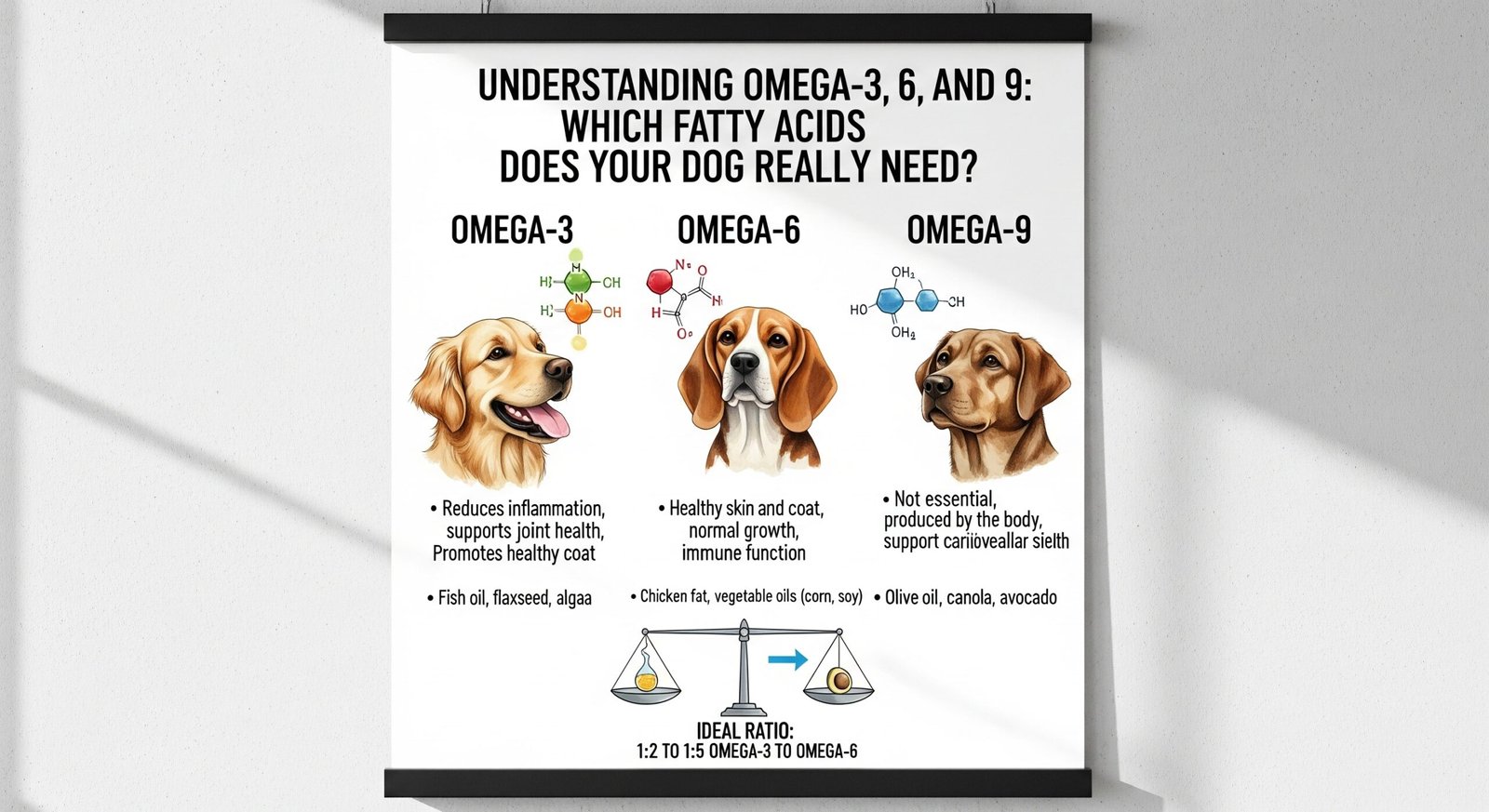
Understanding Omega-3, 6, and 9: Which Fatty Acids Does Your Dog Really Need?
Key Takeaway: Dogs require a balanced supply of essential polyunsaturated fatty acids (PUFAs)—specifically the omega-3 and omega-6 families—to support skin and coat health, immune and inflammatory regulation, and cardiovascular function. Omega-9 fatty acids, while non-essential, can confer additional benefits when included in moderation. Optimal canine health is associated with an omega-6:omega-3 dietary ratio below 10:1, with specific dosages of EPA and DHA recommended to achieve anti-inflammatory effects. 1. Classification and Essentiality Dogs cannot synthesize LA and ALA, making them essential. EPA and DHA are conditionally essential, as canine conversion of ALA to long-chain n-3 PUFAs is inefficient. 2. Omega-3 Fatty Acids 2.1 Physiological Roles 2.2 Dosage and Outcomes NRC Recommendations: Clinical Evidence: 3. Omega-6 Fatty Acids 3.1 Physiological Roles 3.2 Optimal Ratios Clinical Note: Diets with omega-6:omega-3 > 24:1 foster pro-inflammatory states; ratios < 10:1 are associated with improved skin health and reduced eicosanoid-mediated inflammation. 4. Omega-9 Fatty Acids 4.1 Physiological Roles 4.2 Dietary Considerations As non-essential, omega-9s need not be added if total fat intake is adequate; however, sources like olive oil can enhance MUFA content, aiding in coat luster and cardiovascular support when included at moderate levels. 5. Practical Feeding Recommendations Fatty Acid Family Key Members Role Canine Requirement Omega-3 EPA, DHA, ALA Anti-inflammatory, joint, CV ≥ 30 mg EPA + DHA/kg BW/day; therapeutic up to 370 mg/kg/day Omega-6 LA, AA, GLA Skin, membranes, eicosanoids Essential; maintain dietary n-6:n-3 ratio 5–10:1 Omega-9 Oleic acid Energy, MUFA, anti-inflammatory Non-essential; moderate inclusion from quality oils Supplementation Strategy: Conclusion Optimal canine fatty-acid nutrition hinges on supplying essential omega-3 and omega-6 PUFAs in proper ratios and dosages, with omega-9 MUFAs serving as beneficial adjuncts. Adhering to evidence-based guidelines maximizes joint, skin, and cardiovascular health in dogs.
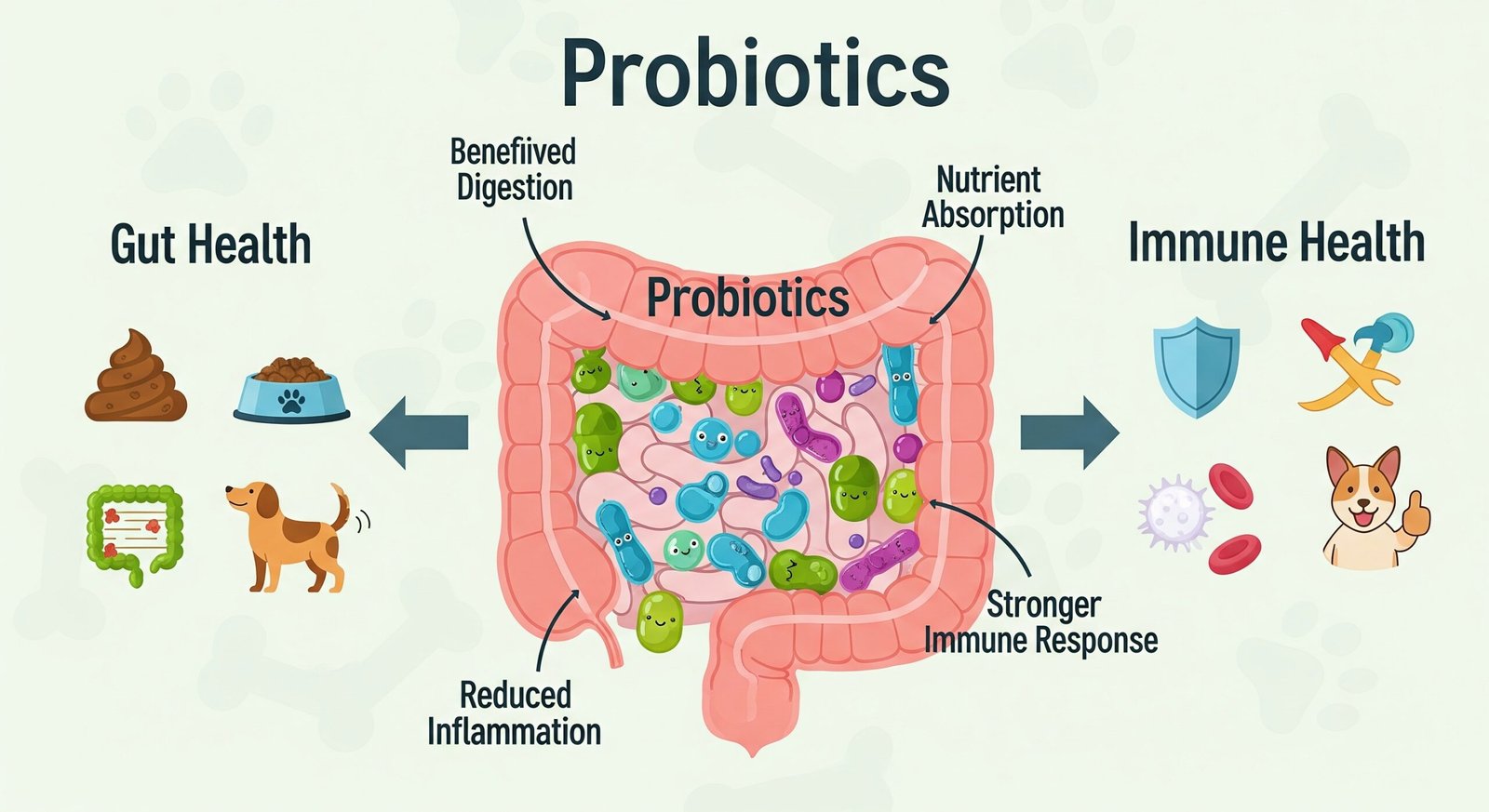
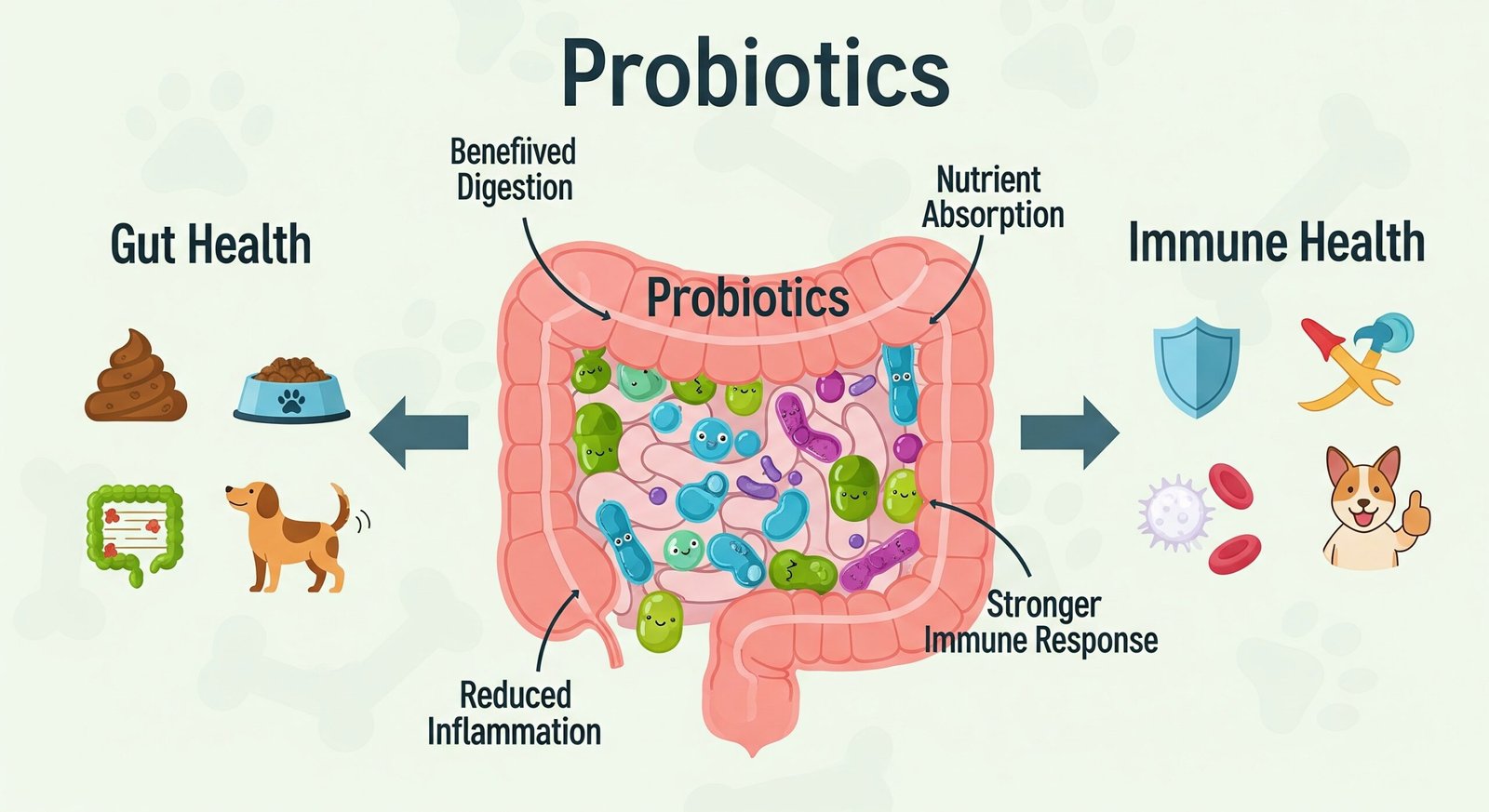
How Do Probiotics Support a Dog’s Gut and Immune Health?
Key Takeaway: Probiotics—live microorganisms that confer health benefits when administered in adequate amounts—enhance canine gut health by rebalancing the intestinal microbiota, strengthening the gut barrier, producing beneficial metabolites (e.g., short-chain fatty acids), inhibiting pathogens, and modulating immune responses. Clinical trials demonstrate reduced diarrhea duration, improved stool quality, and elevated mucosal and systemic immunoglobulins in dogs supplemented with specific probiotic strains. 1. Rebalancing the Gut Microbiota In healthy and diseased dogs alike, probiotics can shift microbial communities toward a more favorable composition: 2. Strengthening the Intestinal Barrier Probiotic strains support epithelial integrity and barrier function: 3. Production of Beneficial Metabolites Probiotics foster the generation of metabolites that nourish host tissues: 4. Pathogen Inhibition and Colonization Resistance Probiotics compete with and inhibit harmful microbes: 5. Immune Modulation Probiotics interact with the canine immune system at multiple levels: 6. Clinical Outcomes in Canine Populations Condition Probiotic Intervention Outcome Acute diarrhea 2×10¹⁰ CFU/day Bifidobacterium animalis AHC7 Faster resolution of diarrhea vs. placebo Acute hemorrhagic diarrhea Visbiome® (8-strain blend) Accelerated clinical recovery and microbiome normalization NSAID-associated diarrhea L. fermentum + L. rhamnosus + L. plantarum Reduced diarrhea frequency Healthy dogs (stool quality, odor control) Bacillus subtilis + B. licheniformis Improved fecal score, reduced odor and biogenic amines Chronic enteropathy (IBD) Multistrain Visbiome® Increased tight junction protein expression, clinical remission 7. Practical Recommendations for Dog Owners Conclusion Scientific evidence underscores that well-characterized probiotics support canine gut and immune health by reconfiguring the microbiota, enhancing barrier integrity, producing beneficial metabolites, suppressing pathogens, and modulating immune defenses. When chosen and administered appropriately, probiotics represent a valuable adjunct in the prevention and management of gastrointestinal and immune-mediated conditions in dogs.
Glucosamine, Chondroitin, and MSM: Do Dog Joint Supplements Really Work?
Key Takeaway: Controlled trials and systematic reviews show that oral glucosamine-chondroitin combinations provide at best modest, inconsistent benefits in canine osteoarthritis, comparable to placebo in the largest, highest-quality study. MSM’s efficacy in dogs remains unsupported by direct clinical trials, with available data deriving from rodent models or combination products, providing insufficient evidence to recommend it as a standalone joint therapy. 1. Background on Canine Osteoarthritis and Nutraceuticals Osteoarthritis (OA) affects up to 20% of dogs over one year old, leading to cartilage degradation, pain, and reduced mobility. Alongside weight management and non-steroidal anti-inflammatories (NSAIDs), nutraceuticals—dietary supplements intended to support joint health—are widely marketed for dogs. 2. Glucosamine and Chondroitin 2.1 Mechanism of Action 2.2 Clinical Trial Evidence Three randomized trials of glucosamine-chondroitin (Glu/CS) in dogs with naturally occurring OA yielded mixed outcomes: Study (Design) Intervention (Duration) Control Main Findings McCarthy et al., 2007 (randomized, double-blind, positive-controlled; n = 35; 70 d) Glucosamine HCl + chondroitin sulfate Carprofen Dogs on Glu/CS showed significant improvements in veterinarian-assessed pain, weight bearing, and condition by day 70; onset slower vs. carprofen but clinically meaningful. Moreau et al., 2003 (randomized, double-blind, placebo-controlled; n = 71; 60 d) Glu/CS combination Placebo Objective gait parameters improved significantly with NSAIDs (carprofen, meloxicam) but not with Glu/CS nor placebo. Owner assessments likewise favored NSAIDs. Guilherme et al., 2010 (randomized, positive-controlled; n = 35; 70 d) Glu/CS + additional co-factors Carprofen Carprofen improved lameness, mobility, pain, and weight bearing by day 42; Glu/CS group improved only 3 of 5 measures at final assessment (day 70), indicating weaker efficacy. 2.3 Systematic Review and Meta-Analysis A 2022 systematic review and meta-analysis of 72 canine OA trials concluded: 3. Methylsulfonylmethane (MSM) 3.1 Proposed Mechanisms 3.2 Evidence in Veterinary Models 3.3 Combination Trials A multi-group RCT comparing PCSO-524 (marine fatty acids), glucosamine/chondroitin with MSM, and carprofen found no significant gait improvement with glucosamine/chondroitin/MSM vs. placebo; only marine fatty acids and NSAIDs improved peak vertical force. 4. Safety and Adverse Effects 5. Practical Recommendations Conclusion While glucosamine and chondroitin demonstrate some promise in controlled settings, the largest, most rigorous trials reveal minimal advantage over placebo. MSM lacks direct clinical validation in dogs. Prioritizing therapies with robust evidence—NSAIDs and omega-3 fatty acids—will optimize canine joint health management.
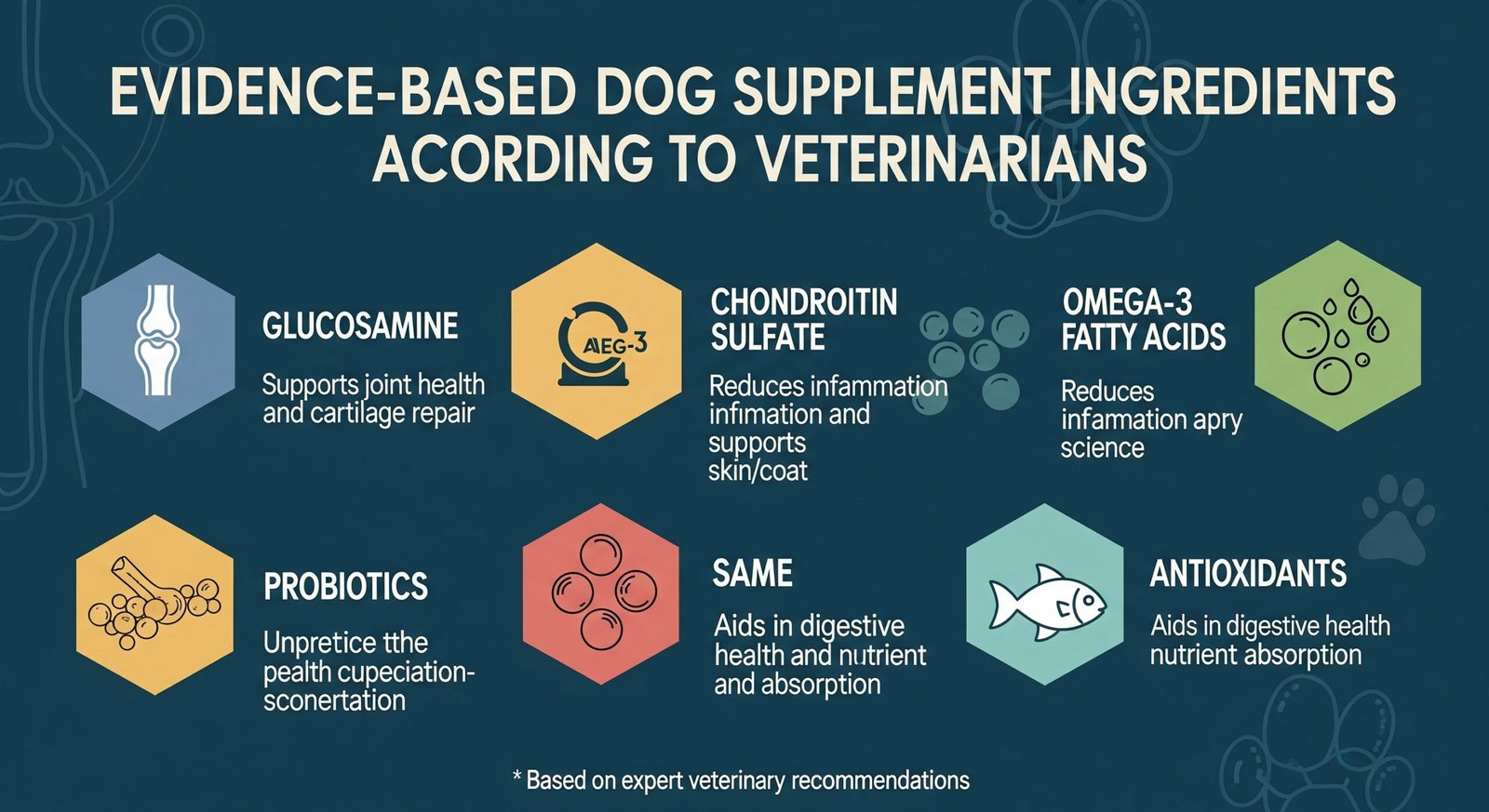
Evidence-Based Dog Supplement Ingredients According to Veterinarians
Key Takeaway: Veterinary consensus supports routine use of only a handful of supplements—omega-3 fatty acids, joint nutraceuticals (glucosamine HCl, chondroitin sulfate, avocado/soybean unsaponifiables, green-lipped mussel), and probiotics—due to robust clinical and mechanistic evidence. Other popular ingredients lack the rigorous trials needed for veterinary endorsement. 1. Omega-3 Fatty Acids Active Ingredients: Eicosapentaenoic acid (EPA) and docosahexaenoic acid (DHA) Mechanisms and Benefits: Evidence Grade: 2. Joint Nutraceuticals Evidence-Based Ingredients: Mechanisms and Benefits: Veterinary Evidence: 3. Probiotics Active Ingredients: Multi-strain bacterial blends (e.g., Lactobacillus, Bifidobacterium species) Mechanisms and Benefits: Evidence Level: 4. Supplements Without Routine Veterinary Endorsement Despite heavy marketing, the following lack sufficient high-quality evidence for routine recommendation: 5. Practical Veterinary Recommendations Conclusion Veterinarians recommend supplements only when backed by well-designed trials and clear mechanisms. Omega-3s, select joint nutraceuticals, and probiotics meet this standard. All other ingredients require further research before routine veterinary endorsement.