
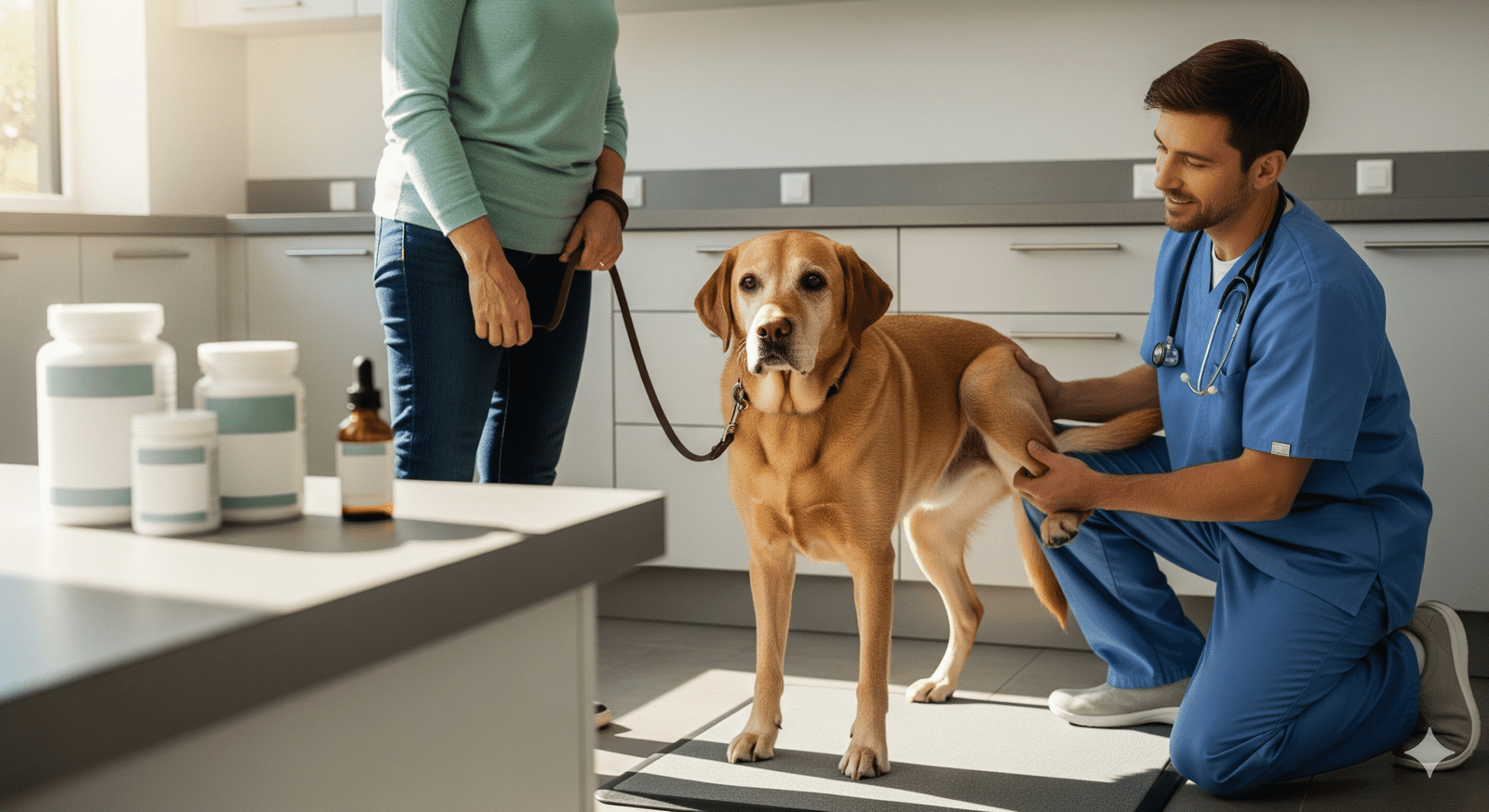
Joint health for dogs becomes increasingly critical as our canine companions age, with osteoarthritis affecting the majority of senior dogs and significantly impacting their quality of life. Recent research from the Dog Aging Project reveals that 40% of adult dogs in the United States receive some form of joint supplement, with older age, larger size, and previous weight issues being key predictors of supplementation. Understanding when and how to implement joint supplements represents a crucial component of geriatric canine care.
Understanding Joint Health for Dogs
The Importance of Joint Supplements
Current pharmaceutical treatments for canine osteoarthritis remain limited to clinical sign alleviation rather than disease modification. This limitation has driven extensive research into dietary supplements for dogs that can provide both symptomatic relief and potential disease-modifying effects. Unlike traditional NSAIDs that primarily target symptoms, joint supplements aim to support cartilage health and reduce inflammatory processes at the cellular level.
Aging and Joint Health
How Aging Affects Joint Function
Age-related changes in joint function involve decreased cartilage integrity, reduced synovial fluid production, and increased inflammatory mediator activity. Research demonstrates that dogs with clinical osteoarthritis diagnosis are 3.82 times more likely to receive joint supplements compared to those without diagnosed joint disease. The aging process also affects the body’s natural ability to synthesize protective compounds like glucosamine and chondroitin sulfate, making supplementation increasingly important for senior dogs.
Common Joint Issues in Older Dogs
Older dogs frequently develop osteoarthritis in weight-bearing joints, including hips, elbows, and stifles, with symptoms ranging from subtle stiffness to significant lameness. Large breed dogs show particular susceptibility, while previously overweight dogs demonstrate increased risk regardless of current weight status. The progression from mild joint discomfort to severe mobility impairment typically occurs gradually, making early intervention with appropriate supplements crucial for maintaining quality of life.
Key Nutritional Supplements
Glucosamine for Older Dogs
Glucosamine for older dogs represents one of the most studied joint supplements, functioning as a building block for cartilage matrix synthesis. While traditional glucosamine supplementation faces bioavailability challenges, recent formulations incorporating enhanced absorption technologies show improved therapeutic potential. Research indicates that glucosamine works synergistically with other compounds to provide anticatabolic and anti-inflammatory effects in osteoarthritic joints.
Omega-3 Fatty Acids for Dogs
Omega-3 fatty acids for dogs demonstrate significant anti-inflammatory properties that directly benefit joint health. A systematic review and meta-analysis revealed evident clinical analgesic efficacy for omega-3-enriched diets in dogs and cats with osteoarthritis. Optimal dosing typically begins at 100 mg/kg daily, increasing to 200 mg/kg for maximum therapeutic benefit. EPA and DHA specifically target inflammatory pathways involved in cartilage degradation and pain sensation.
Natural Anti-Inflammatories for Dogs
Natural anti-inflammatory for dogs options include several plant-derived compounds with proven efficacy in clinical studies. Turmeric and curcumin demonstrate particular promise, with research showing significant anti-inflammatory, anticancer, and antioxidant effects. A randomized, double-blind study found that dogs receiving a diet supplemented with curcuminoids extract, hydrolyzed collagen, and green tea extract showed measurable improvements in osteoarthritis symptoms over three months.
Undenatured Type II Collagen (UC-II) emerges as another highly effective natural supplement, demonstrating superior effectiveness compared to glucosamine and chondroitin sulfate even at smaller dosages. Studies show UC-II’s unique immune-mediated mechanism helps inhibit inflammation and tissue catabolism at the articular level. Recent clinical trials confirm that UC-II combined with Boswellia serrata provides significant improvements in mobility, pain reduction, and joint metabolism in dogs with mild to moderate osteoarthritis.
Choosing the Right Joint Supplements
Key Ingredients to Look For
The most effective joint supplements combine multiple active ingredients working through different mechanisms. Bioactive collagen peptides demonstrate particular promise, with a recent study showing significant improvements in gait and quality of life in dogs with naturally occurring osteoarthritis. Eggshell membrane (NEM®) represents another innovative ingredient, with clinical trials showing 47.9% improvement in cartilage turnover markers after 6 weeks of supplementation at approximately 13.5 mg/kg daily.
Vitamin E supplementation at high doses shows promise for reducing inflammation and joint lesions, with studies demonstrating significant reduction in cartilage damage scores and trends toward improved pain management.
Evaluating Dietary Supplements for Dogs
Quality dietary supplements for dogs should provide standardized, bioavailable formulations with proven efficacy in peer-reviewed studies. Key evaluation criteria include specific strain identification for botanical ingredients, guaranteed potency levels, and appropriate bioavailability enhancement technologies. Combination products often demonstrate superior efficacy compared to single-ingredient supplements, with synergistic effects enhancing overall therapeutic outcomes.
Dosage and Administration
Recommended Dosages for Different Supplements
Dosage recommendations vary significantly based on the specific supplement and dog size. Gelatin hydrolysate shows efficacy at 10 grams daily for treatment periods of 8 weeks, significantly improving activity and reducing stiffness and lameness. Palmitoyl-glucosamine co-micronized with curcumin demonstrates effectiveness when administered three times per week, providing 45% recovery in locomotor function in osteoarthritis models.
Tips for Administering Supplements
Successful supplement administration requires consistent daily dosing mixed with regular meals to enhance absorption and reduce gastrointestinal upset. Most joint supplements require 6-8 weeks of consistent administration before meaningful clinical improvements become apparent. Bioavailability enhancement through microencapsulation or specialized delivery systems can significantly improve therapeutic outcomes compared to standard formulations.
Monitoring Your Dog’s Health
Signs That Supplements are Working
Positive response indicators include improved mobility during morning activity, reduced stiffness after rest periods, increased willingness to engage in physical activity, and decreased reluctance to climb stairs or jump. Objective measurements such as improved gait analysis scores and reduced inflammatory biomarkers provide additional confirmation of supplement efficacy.
When to Consult Your Veterinarian
Veterinary consultation becomes essential when dogs show progressive lameness, significant pain responses, or failure to respond to appropriate supplement regimens after 8-12 weeks of consistent administration. Professional evaluation can identify underlying conditions requiring multimodal treatment approaches combining supplements with pharmaceutical interventions or physical therapy modalities.
Conclusion
Recap of Benefits
The scientific evidence strongly supports the use of joint supplements for older dogs, particularly those containing omega-3 fatty acids, undenatured type II collagen, bioactive collagen peptides, and natural anti-inflammatory compounds like curcumin and Boswellia serrata. These supplements provide disease-modifying potential beyond simple symptom management, offering hope for maintaining joint health and mobility throughout the aging process.
Final Thoughts on Joint Health for Older Dogs
Proactive joint health management through evidence-based supplementation represents a crucial component of comprehensive geriatric canine care. While supplements cannot reverse established joint damage, they offer significant potential for slowing disease progression, reducing pain, and maintaining quality of life in aging dogs. The key lies in selecting high-quality products with proven efficacy, implementing appropriate dosing regimens, and maintaining realistic expectations about treatment timelines and outcomes.